Overview
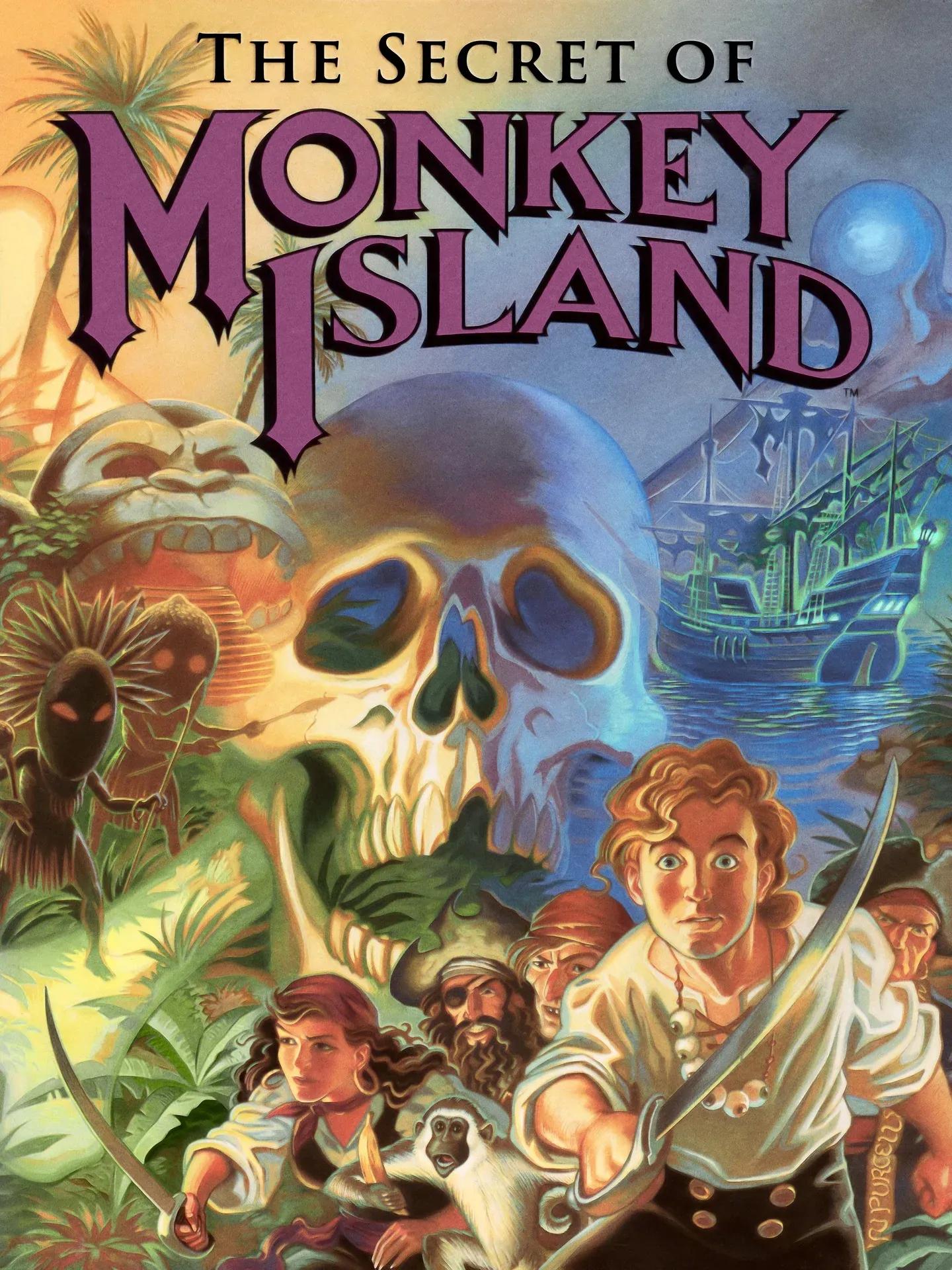
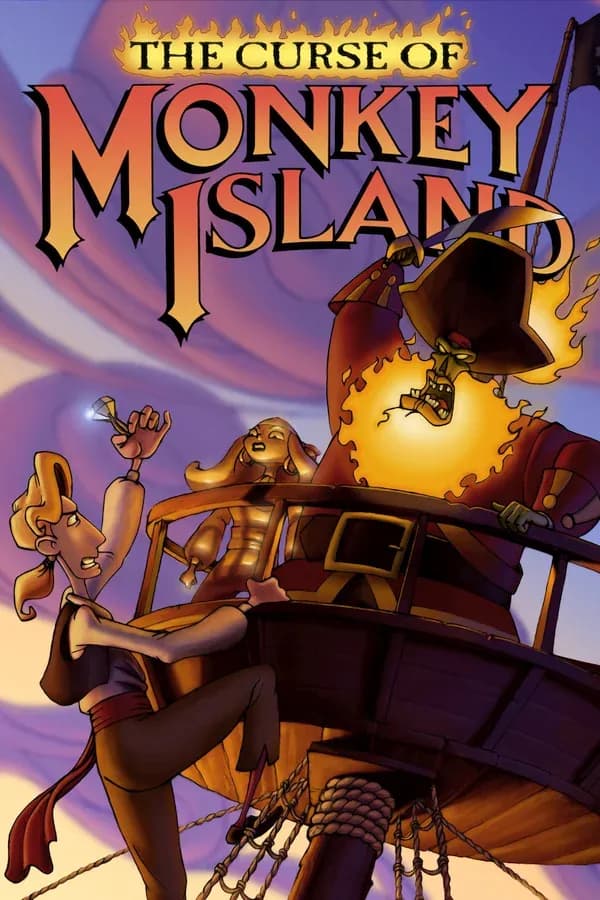
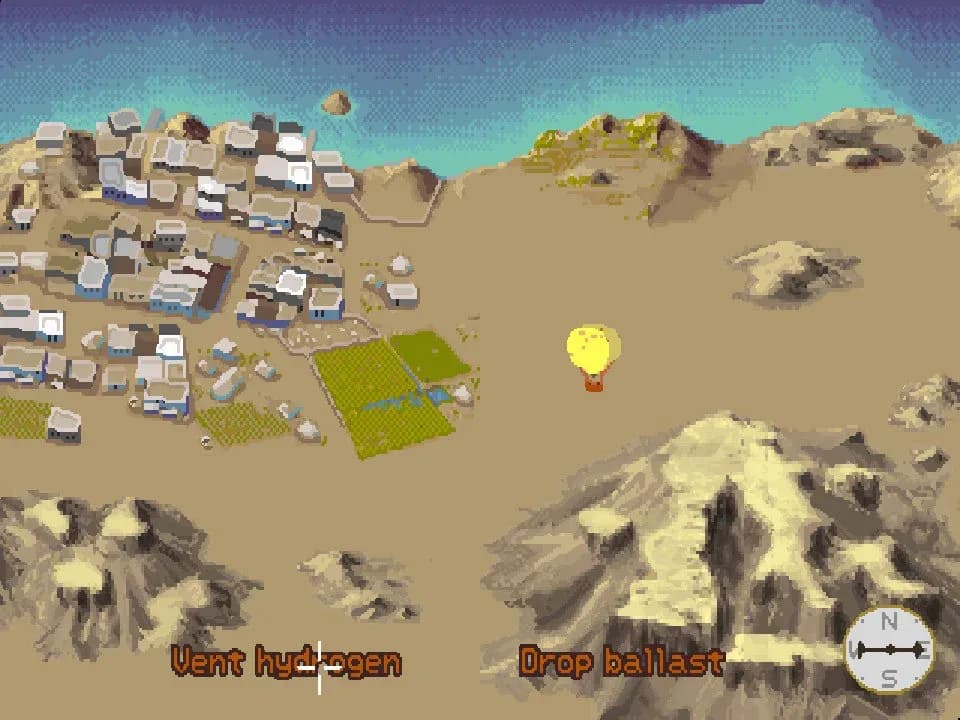
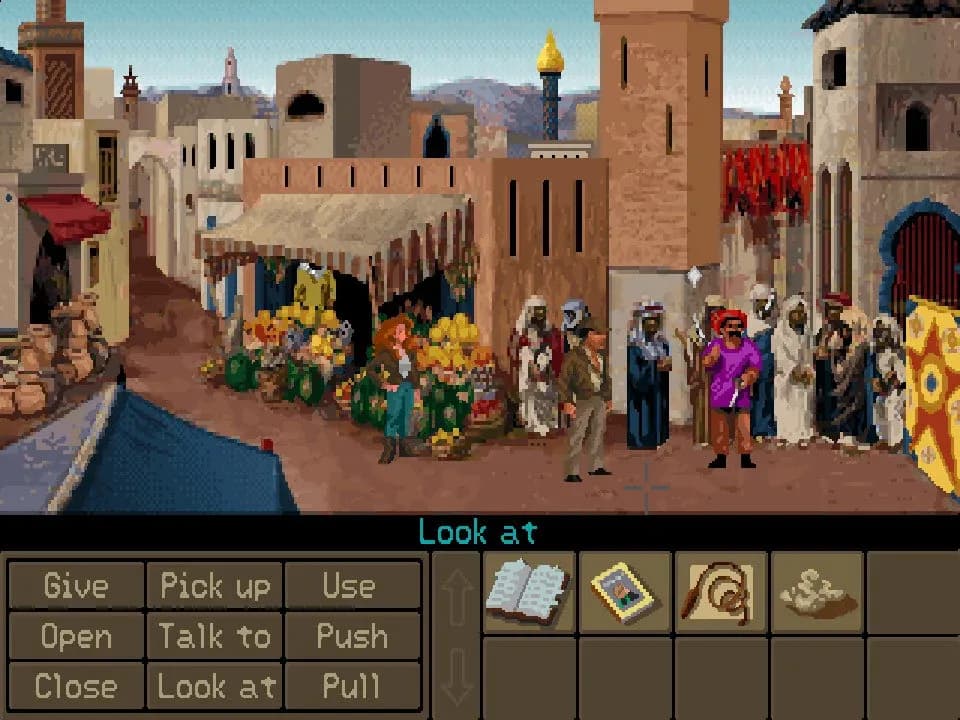
Indiana Jones and the Fate of Atlantis is a point-and-click adventure built on LucasArts' SCUMM engine, the same scripting system that powered classics like Monkey Island and Maniac Mansion. Players construct actions by combining predetermined verbs with objects and characters in the environment, a design philosophy that rewards curiosity and lateral thinking over reflexes. The game was originally released in 1992, then reissued on CD-ROM as a full "talkie" edition with complete voice acting and digitized sound effects. That enhanced version is what appears on Steam.
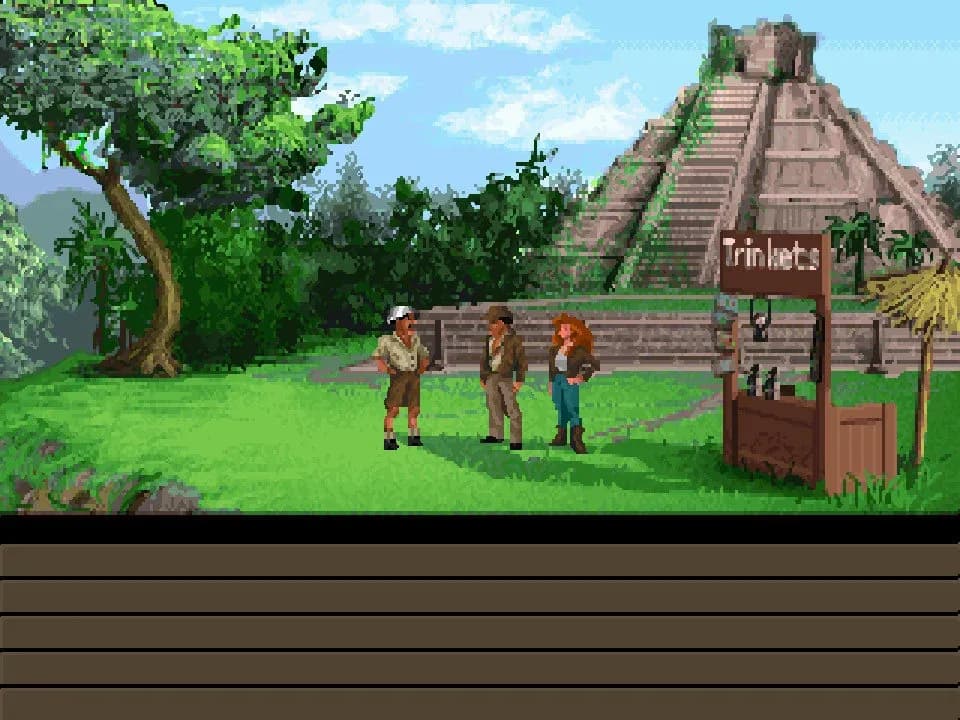
The story follows Indiana Jones and Sophia Hapgood, a former archaeologist turned psychic, as they race across the globe searching for Atlantis before the Nazis can weaponize its power. The plot feels authentically cinematic, capturing the tone of the film series without leaning on its events. Sophia is a genuinely strong co-protagonist rather than a passive tag-along, and the Nazi antagonists give the adventure real stakes.
What are the three paths, and how different are they?
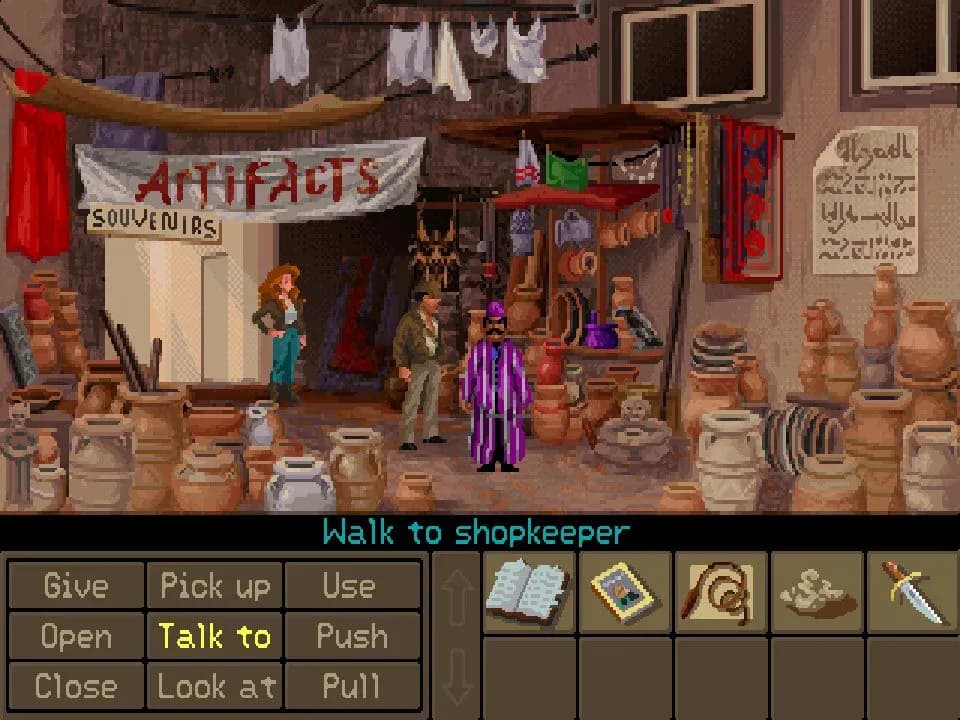
The defining structural choice in Fate of Atlantis is the path selection system, which splits the game into three distinct experiences after the opening act:
Indiana Jones® and the Fate of Atlantis™ content image
- Wits path: solo puzzle-focused progression
- Fists path: more action-oriented encounters
- Team path: cooperative puzzles with Sophia as a constant companion
Each path features unique puzzles, different locations, and altered story beats, so the game has genuine replay value built into its core design. The Team path is widely considered the most satisfying for first-timers because it develops Sophia's character most fully, but the Wits path offers the sharpest puzzle design.
Indiana Jones® and the Fate of Atlantis™ content image
Gameplay and mechanics
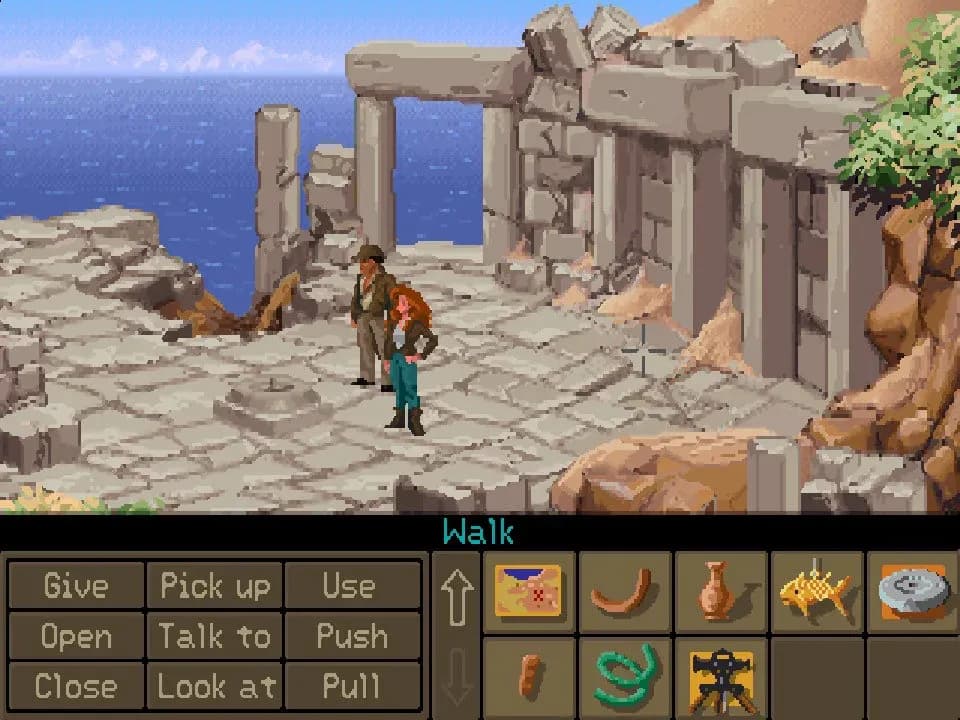
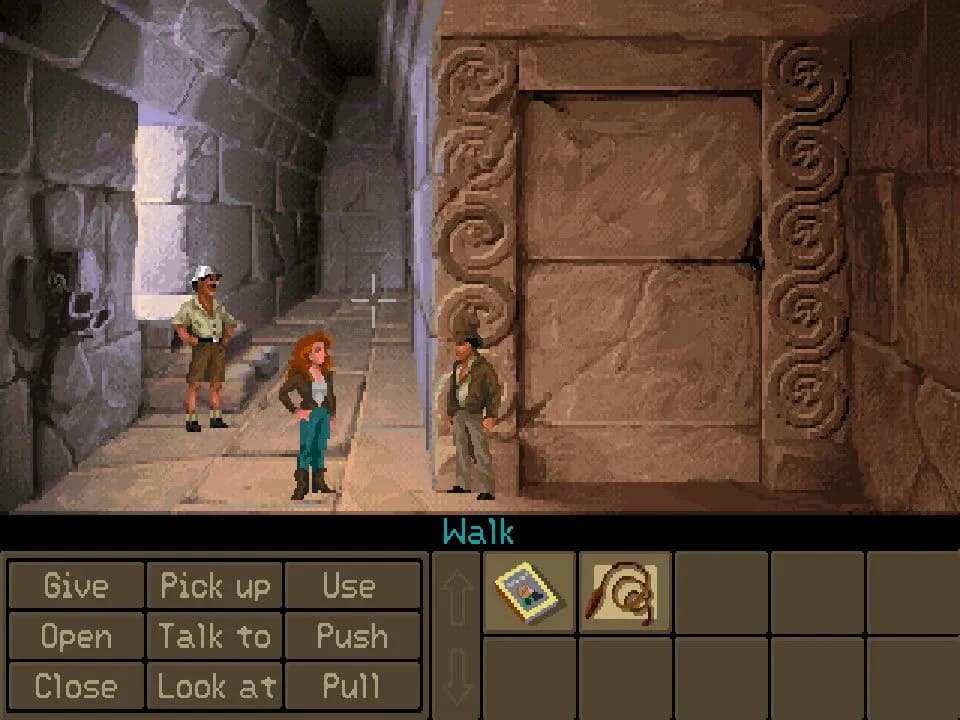
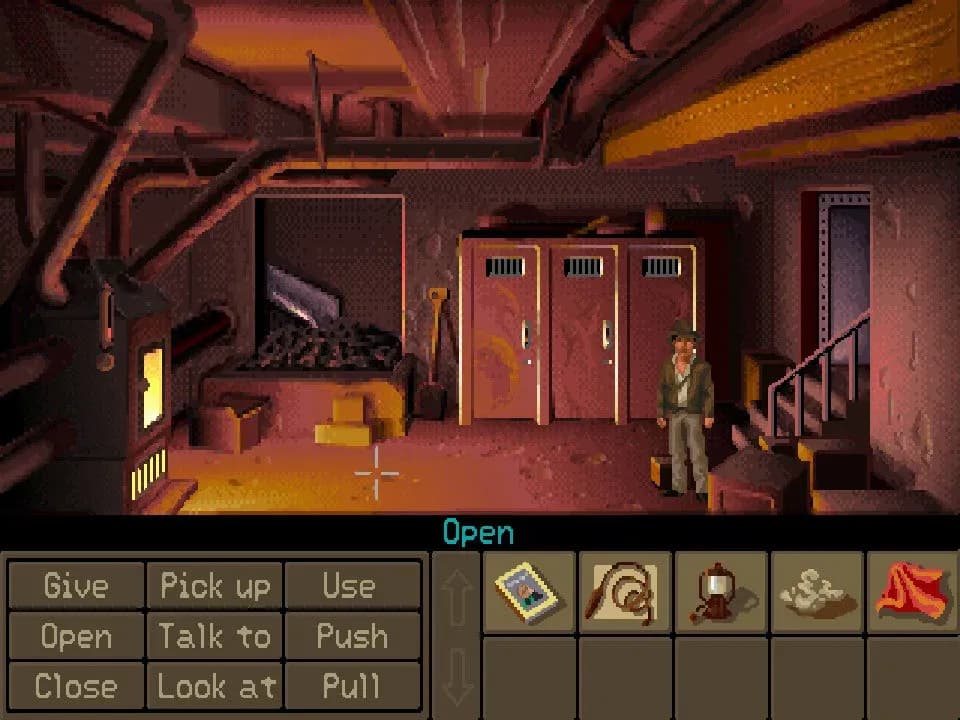
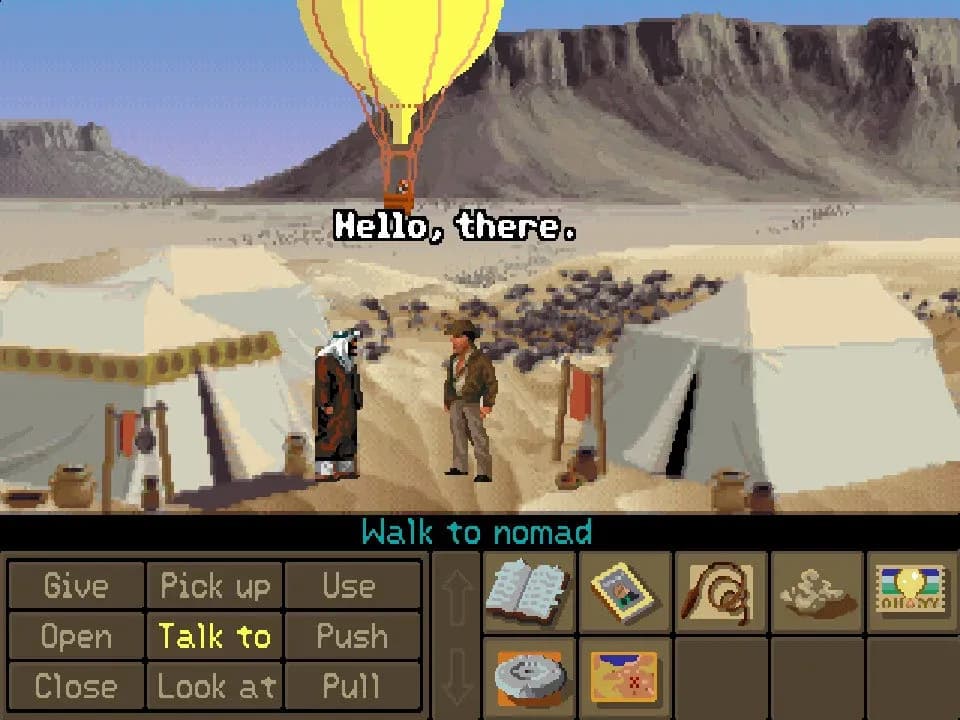
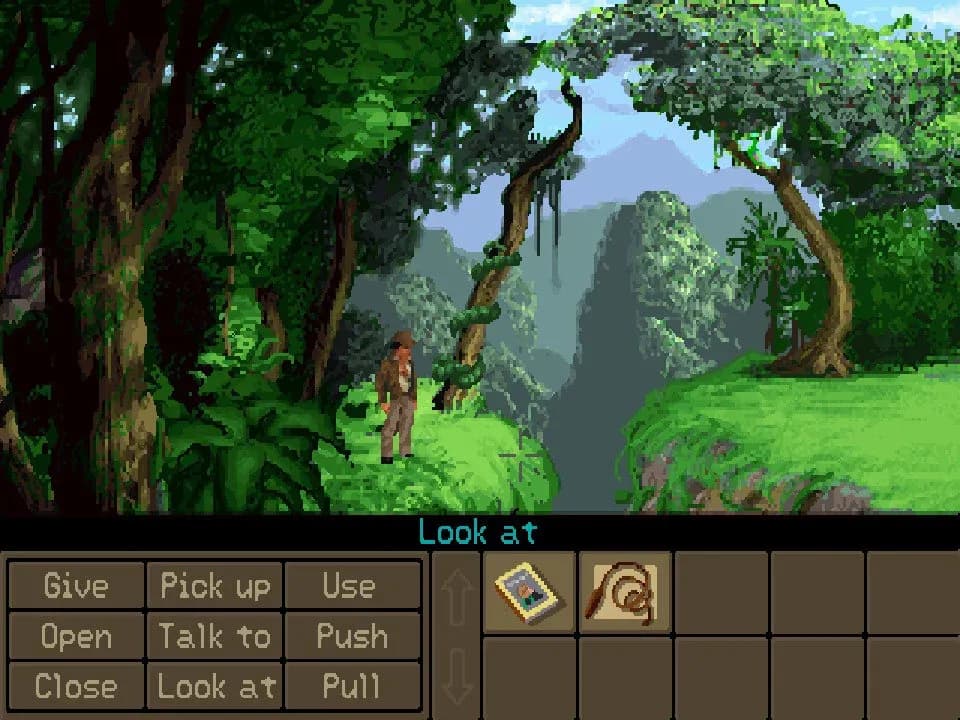
The SCUMM interface gives players a verb bank to interact with the world. Clicking "Use," "Pick up," "Talk to," and similar commands against objects and characters is the entire control scheme, which sounds simple but produces puzzles of real depth. Inventory management matters throughout, and several solutions require combining items in ways that feel genuinely clever rather than arbitrary. The game never resorts to pixel-hunting or adventure game moon logic at its worst; most solutions follow an internal consistency that holds up today.
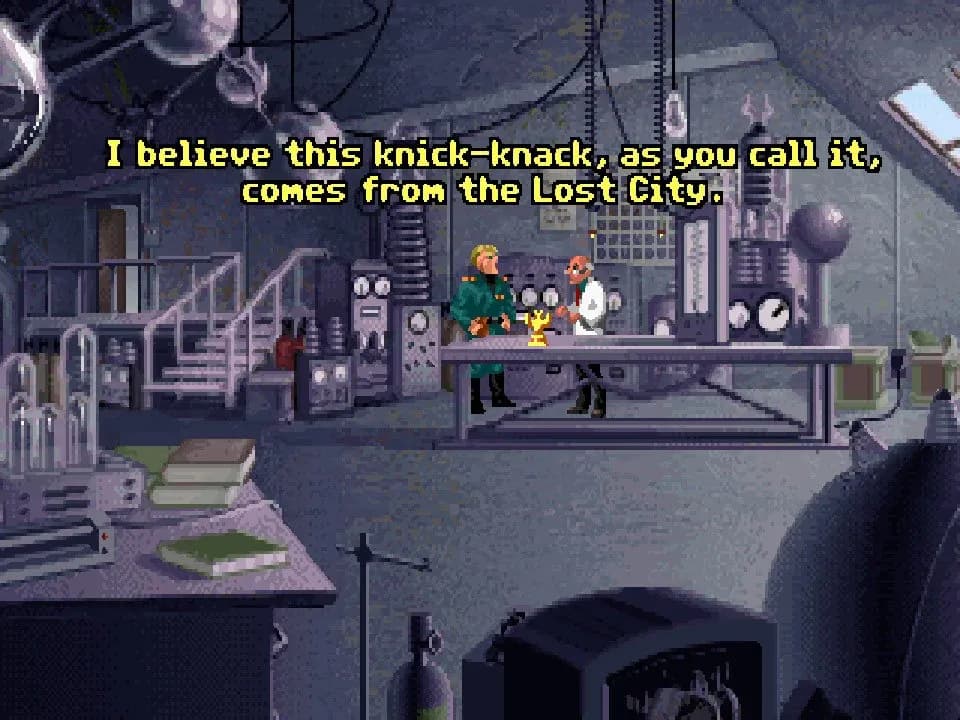
The talkie edition available on Steam adds voice performances that hold up surprisingly well. The cast brings the characters to life without overshadowing the writing, and the digitized sound effects give the environments texture that the original floppy version lacked.
Indiana Jones® and the Fate of Atlantis™ content image
Impact and legacy
Fate of Atlantis is frequently cited alongside Grim Fandango and Day of the Tentacle as one of the high-water marks of the LucasArts adventure era. It arrived at a time when the genre was producing some of its most ambitious work, and it matched that ambition with a licensed property that could have easily been a shallow cash-in. Instead, LucasArts treated it as a proper original story, one that many fans argue captures the spirit of the Indiana Jones character better than some of the later films.
The Steam release preserves the CD-ROM talkie version without significant modification, which means the game runs on both Windows and macOS. For players who missed the golden age of point-and-click adventure games, Fate of Atlantis remains one of the best entry points into the genre, combining accessible puzzle design with a story that genuinely earns its cliffhangers.
Indiana Jones® and the Fate of Atlantis™ content image