
The Deildegast is one of Phasmophobia's newer additions, arriving on July 21, 2026. What makes it stand out from most ghosts is a mechanic that actually rewards you for making a mess: moving items around the location physically weakens it. That's not flavor text. It's a real, testable speed reduction you can exploit to survive hunts. This guide covers every piece of evidence, every known behavior, and exactly how to use the item-moving mechanic to your advantage.
What evidence does the Deildegast leave?
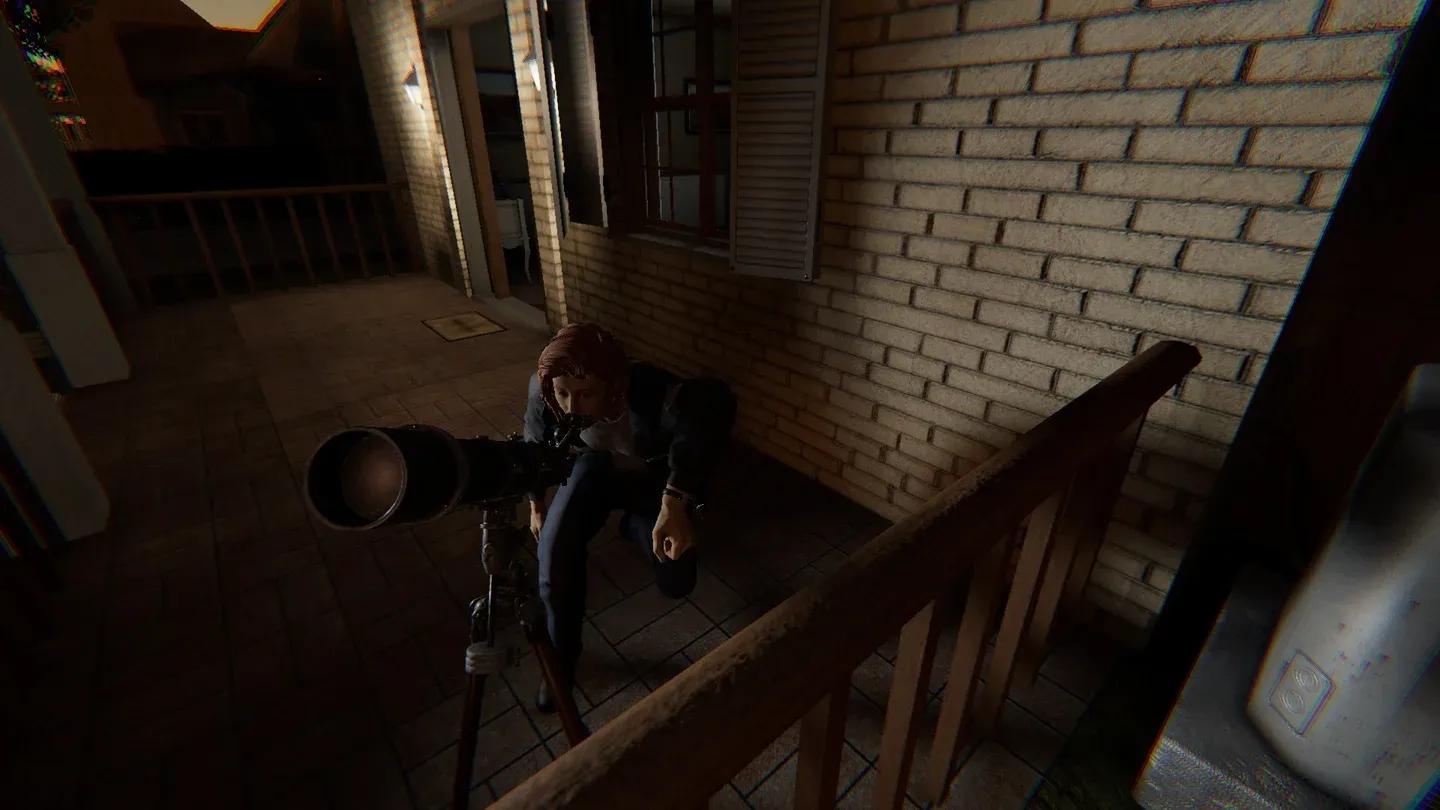
The Deildegast has three standard evidence types: Ghost Writing, EMF Level Five, and DOTS Projector. In a normal contract, all three are available. Weekly challenges or custom matches with hidden evidence can reduce that number, so knowing the ghost's behavioral clues becomes more important in those scenarios.
| Evidence | Tool Required | How to Confirm |
|---|---|---|
| Ghost Writing | Ghost Writing Book | Place the book in the ghost room and wait for the ghost to write or draw in it |
| EMF Level Five | EMF Reader | Walk through the ghost room with the reader active and look for a Level 5 reading during interactions |
| DOTS Projector | DOTS Projector + Video Camera | Place the projector in the ghost room and watch for the ghost silhouette passing through the beam |
Deildegast journal evidence page

How to get Ghost Writing evidence
Drop a Ghost Writing Book anywhere in the ghost's favorite room. Only ghosts that have Ghost Writing as a confirmed evidence type can actually write in the book, so any mark at all counts as a positive. You don't need to be present when it happens; check the book periodically or monitor it via a placed camera.
How to get EMF Level Five evidence
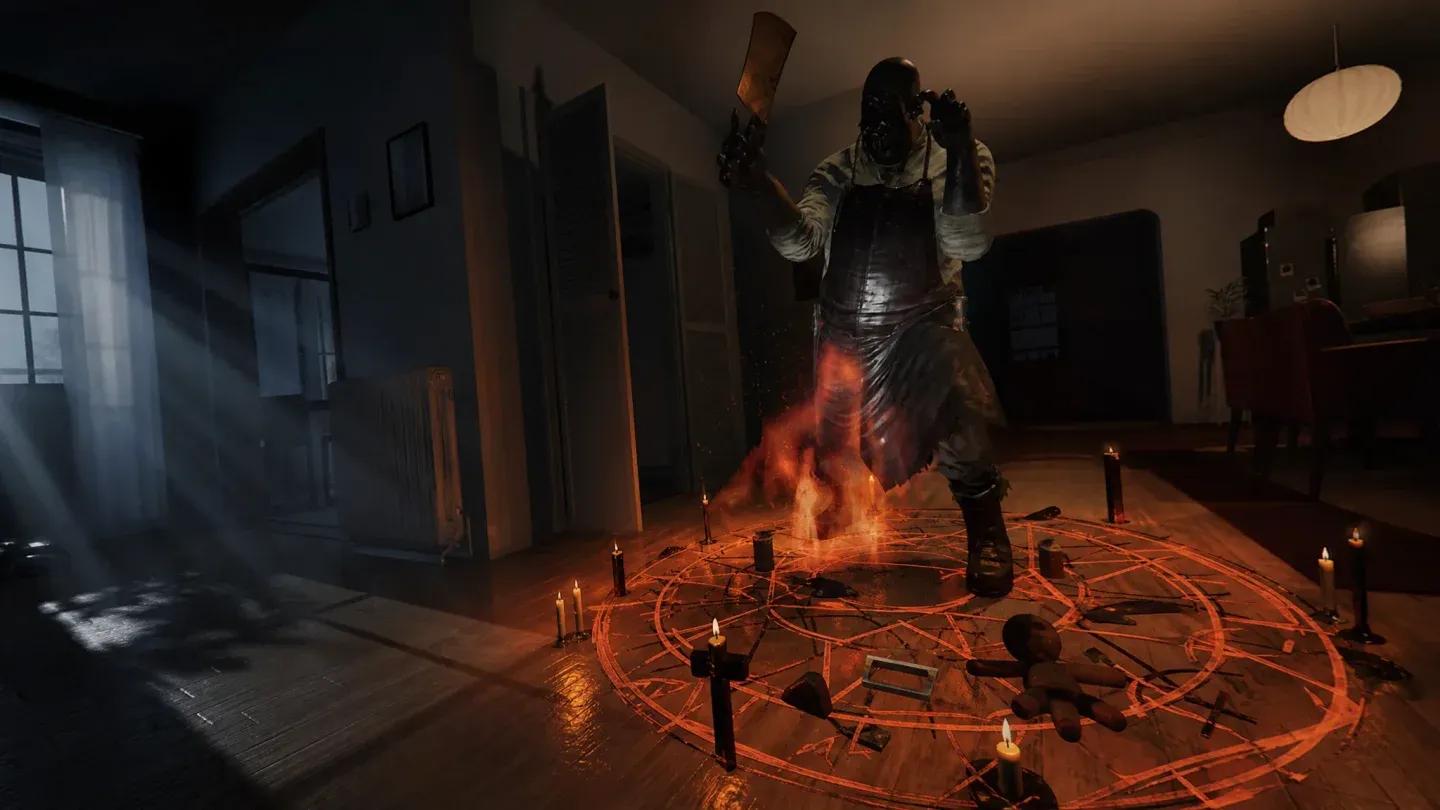
Carry your EMF Reader into the ghost room and keep it active while the ghost is interacting with the environment. Thrown objects, door slams, and other interactions all trigger EMF spikes. Every ghost produces some EMF, but only those with EMF Level Five as evidence will push the reader to its highest reading.
How to get DOTS Projector evidence
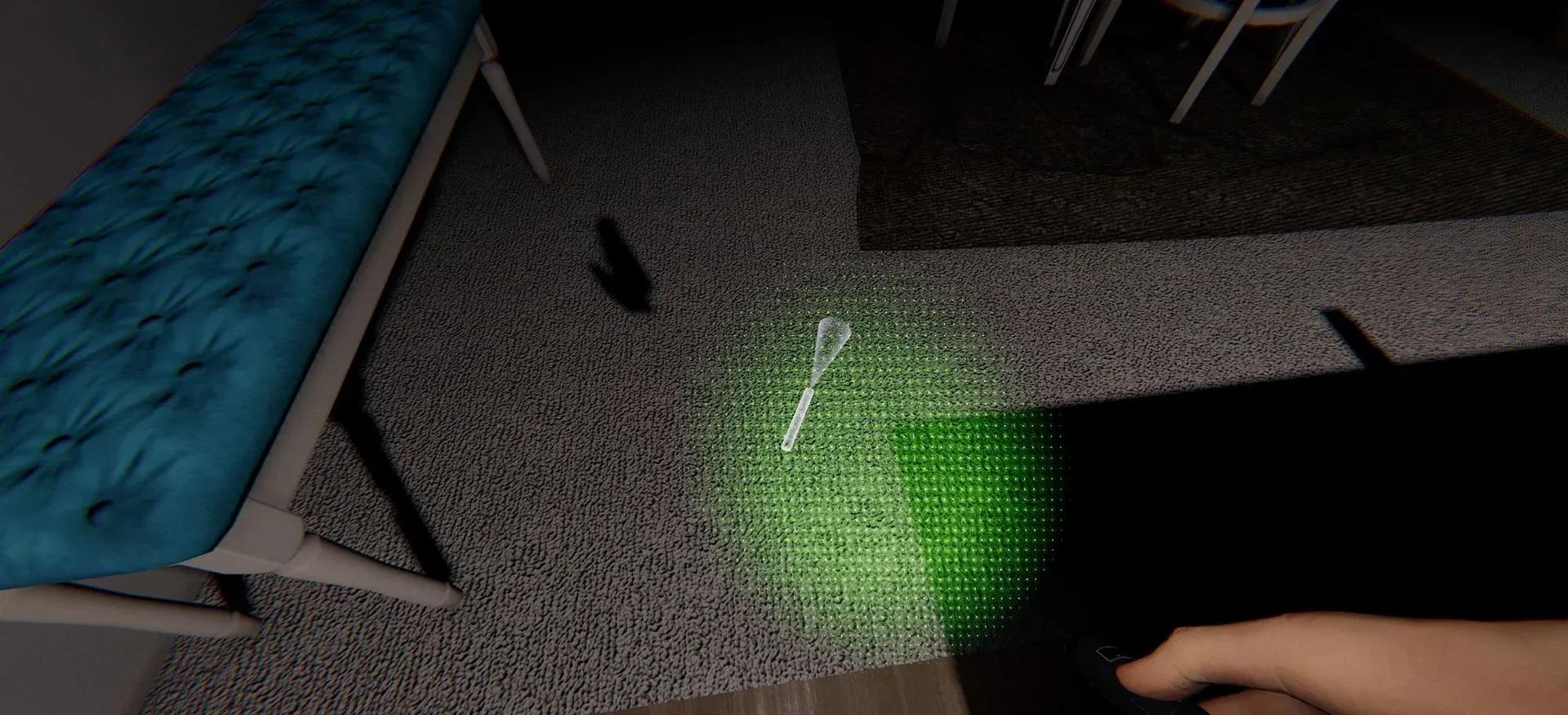
Set the DOTS Projector down inside the ghost room, then watch either directly or through a Video Camera. You're looking for a faint humanoid shape moving through the projected laser grid. Monitoring from the truck via a placed camera is the safest option, since you don't have to be in the room during a potential hunt.
How does the Deildegast behave during hunts?
The Deildegast moves at roughly 3 meters per second as its base speed, putting it in the same tier as the Revenant. That's fast enough to be dangerous if you haven't done anything to prepare. The key difference from most fast ghosts is that the Deildegast does not accelerate when it gets line of sight on a player. Most threats in Phasmophobia speed up the moment they see you; this one holds its current pace regardless.
At the start of any investigation, the Deildegast has its full base speed with no penalties applied. That makes early hunts the most dangerous window. The ghost also occasionally throws items on its own, which can trigger a minor self-imposed slowdown, but you shouldn't count on that.
EMF Level 5 reading confirmed
How do you slow down the Deildegast?
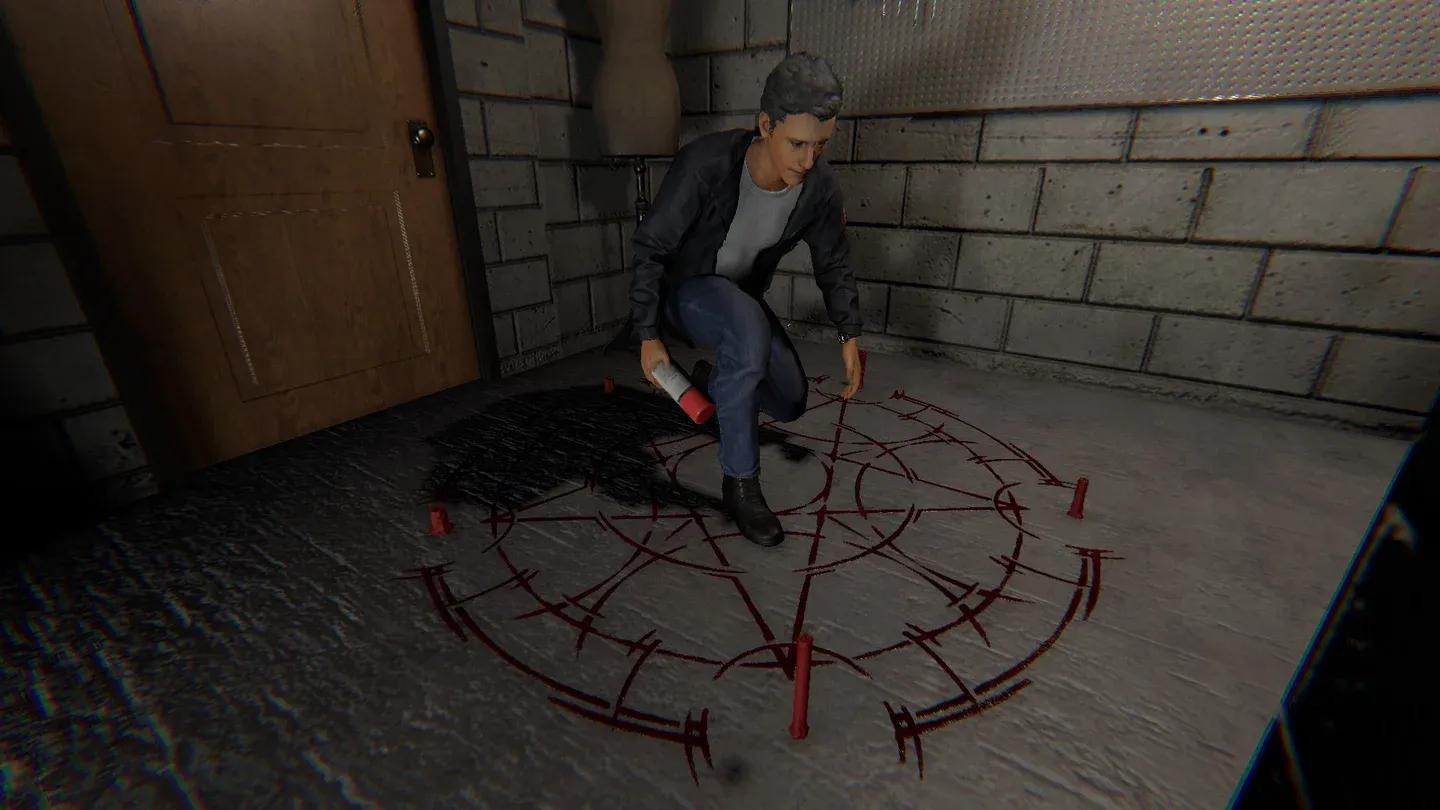
This is the mechanic that sets the Deildegast apart. Moving items that belong to the location (furniture, decorations, objects that are part of the house) applies a speed debuff. Each item you relocate reduces the ghost's speed by approximately 3.3 percent. To hit the minimum possible speed of 0.4 meters per second, you need to move around 30 items.
A few rules apply here:
- Only move items outside of active hunts. You can't run around repositioning furniture while the ghost is chasing you.
- Move multiple items to stack the debuff. Moving one or two won't produce a noticeable difference.
- Use house items only, not your own equipment. Your EMF reader or thermometer doesn't count.
- Both living and dead players can move items to contribute. If a teammate goes down, they can still help by tossing objects around.
The difference between a 3 m/s Deildegast and a 0.4 m/s one is enormous. At near-minimum speed, even a mediocre hiding spot becomes survivable. Putting in the work before hunts start is absolutely worth it on larger maps.
Displaced items reduce Deildegast speed
Tips for identifying the Deildegast on harder difficulties
On difficulties where one or more evidence types are hidden, you'll need to lean on behavioral clues. The combination of high base speed, no line-of-sight acceleration, and the item-sensitivity mechanic is fairly distinctive. If you're seeing a fast ghost that doesn't seem to surge when it spots you, and you notice it slowing after room objects get displaced, the Deildegast is a strong candidate.
For players building out their ghost knowledge, the Phasmophobia ghost behaviors and secret abilities guide covers all 27 ghost types with speed data and hidden mechanics that go well beyond the journal descriptions. Cross-referencing what you observe in the field against that kind of breakdown is how you get faster at ruling ghosts out.
For more ghost identification breakdowns across the full roster, the Phasmophobia guides collection has dedicated pages for ghosts like the Obake, which uses a completely different evidence set and requires its own approach to confirm. Building familiarity with multiple ghost types before a tough contract is the fastest way to get consistent results in one of the best horror games available right now.