
Increase reputation in Probably Stolen by performing helpful faction trades, submitting accurate wanted reports, and making character choices like letting Arthur Lefevre leave.
In Probably Stolen, the five faction bars respond to different decisions, so collecting a bounty can conflict with the relationships you want to keep. Choose a faction to prioritize, identify each visitor before acting, and protect your gains with careful inspections. Your display case and shop attractiveness help create more chances to serve customers, but neither replaces making the right decision at the counter.
Identify the faction you want to help
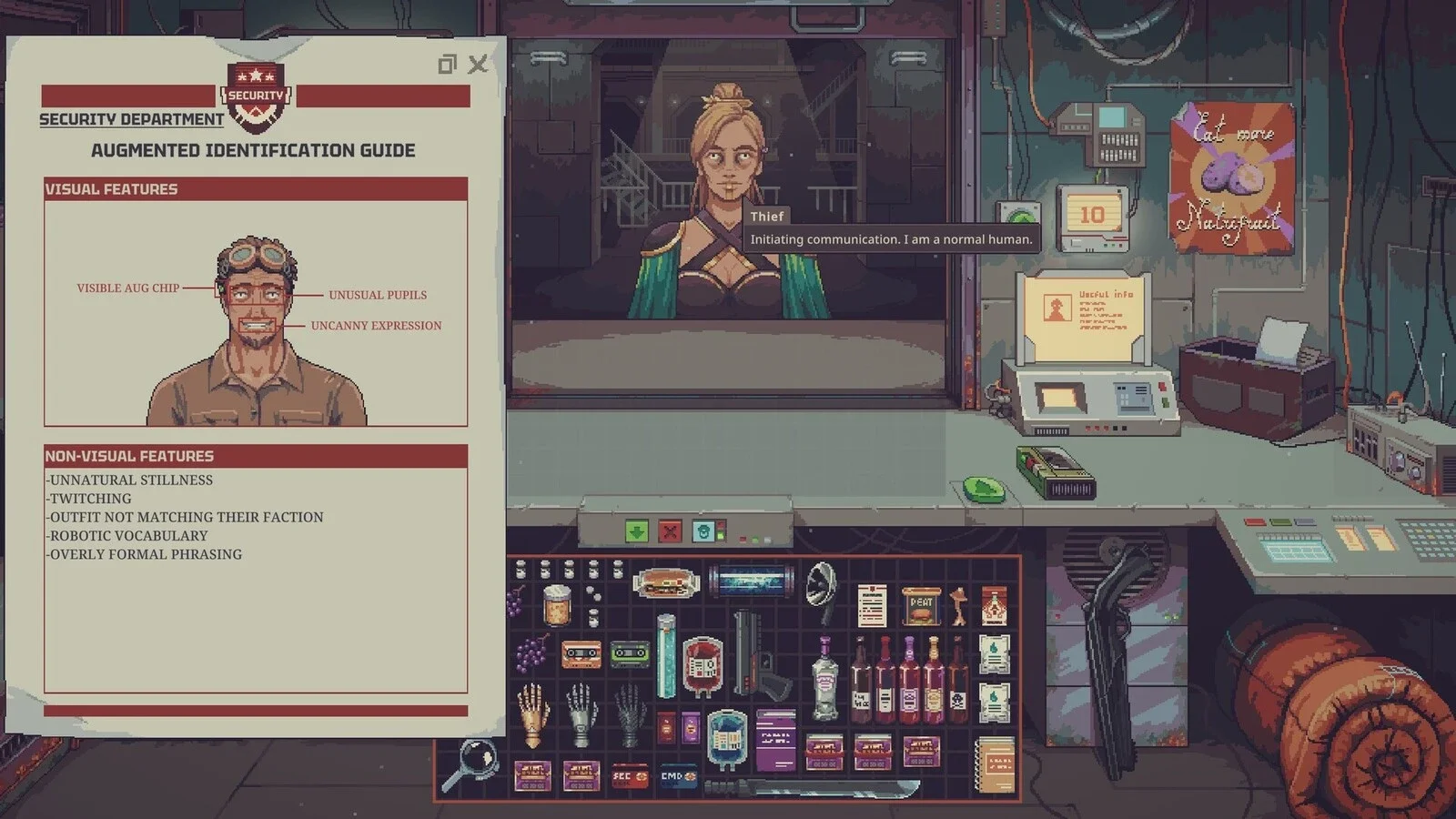
Click the customer viewport and check the color tag at the top before setting prices, making accusations, or calling security. Clothing provides another clue, and green dialogue can signal revolution allegiance.
Open the reputation overlay to check your current standing with each group. Compare it before and after an important customer decision so you can tell which relationship changed.
| Faction | Identifying features | Relevant customer traits |
|---|---|---|
| Lower levels | Drab clothing | Poorer customers who recognize common fraud |
| Upper levels | Regal purple clothing | Wealthier customers who are generally less aware of common scams |
| Security | Red clothing or faction tag | Enforces the wanted list and recognizes common fraud |
| Revolution | Green clothing and green dialogue | Seeks weapons, armor, and ammunition |
| Black market | Black clothing, often with a hood | Has its own reputation bar to monitor |
Choose a priority, not a faction to ignore. You can work toward one group's trust while still avoiding unnecessary damage to the others. A profitable transaction is not automatically a good reputation decision, especially when a wanted customer or counterfeit item is involved.
The faction reputation overview

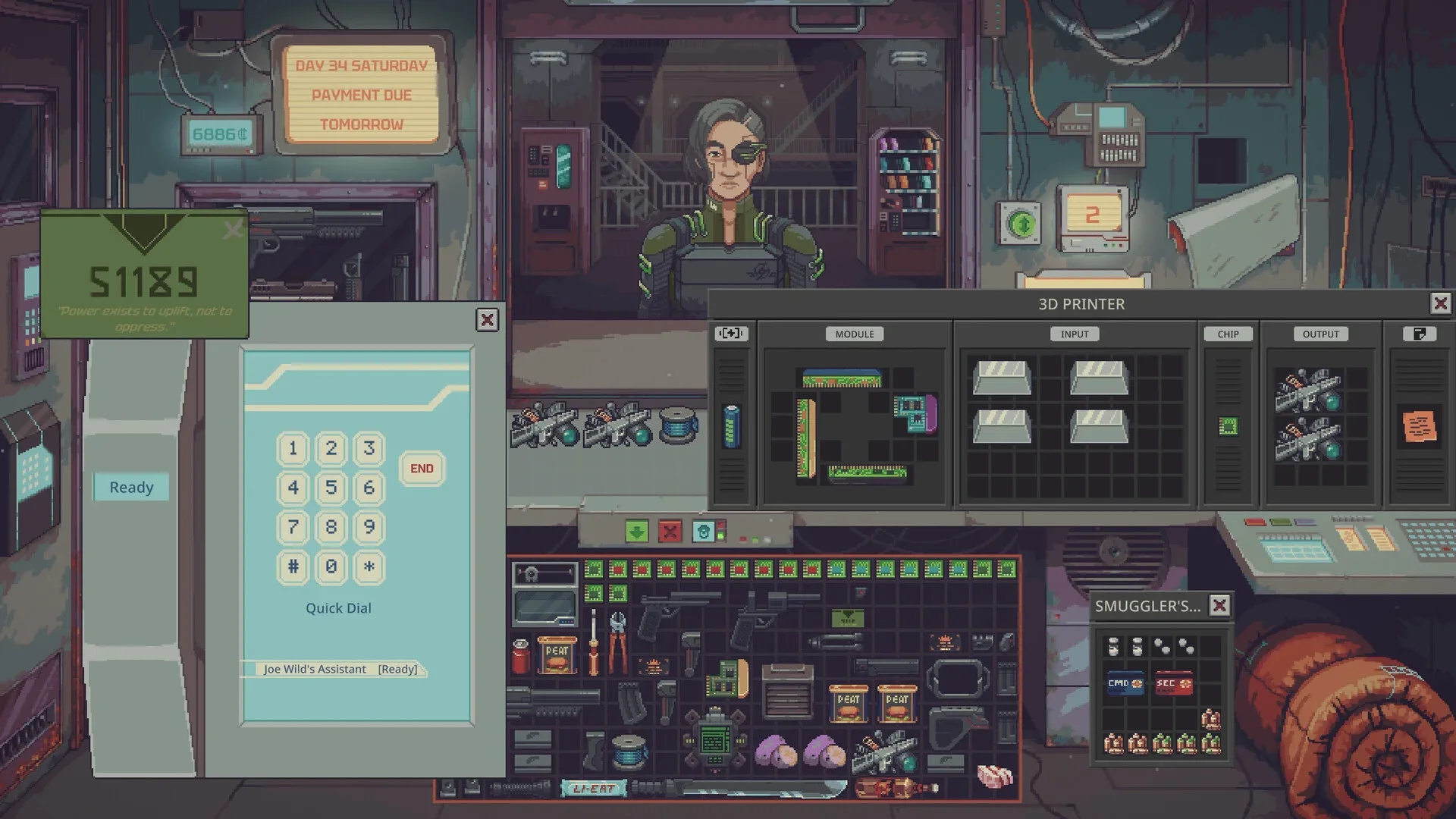
Build lower-level trust through helpful sales
For a service-led start, focus on the lower levels. Fair, helpful sales can gradually improve their standing, and discounts let you support these customers through ordinary trading.
Choose affordable items to sell in Probably Stolen that leave room for a discount after your stock costs. Buying cheaply makes friendly pricing easier to sustain. Water trading can support this approach when your purchase and sale prices leave a workable margin.
Reputation can change in decimals, so a small movement still counts as progress. Check the bar after a helpful transaction instead of expecting every sale to produce a large, visible jump.
Treat black-market visits as individual decisions
Identify hooded, black-clad customers before completing their deals, then check the black-market bar afterward. Use those changes to decide which interactions to repeat.
Do not assume that selling counterfeit goods, using the labeler, or cheating another faction will automatically improve black-market standing. For a reputation-focused shop, keep your dealings with the customers you want to retain honest and fulfill their requests carefully.
Use wanted customers to make deliberate faction choices
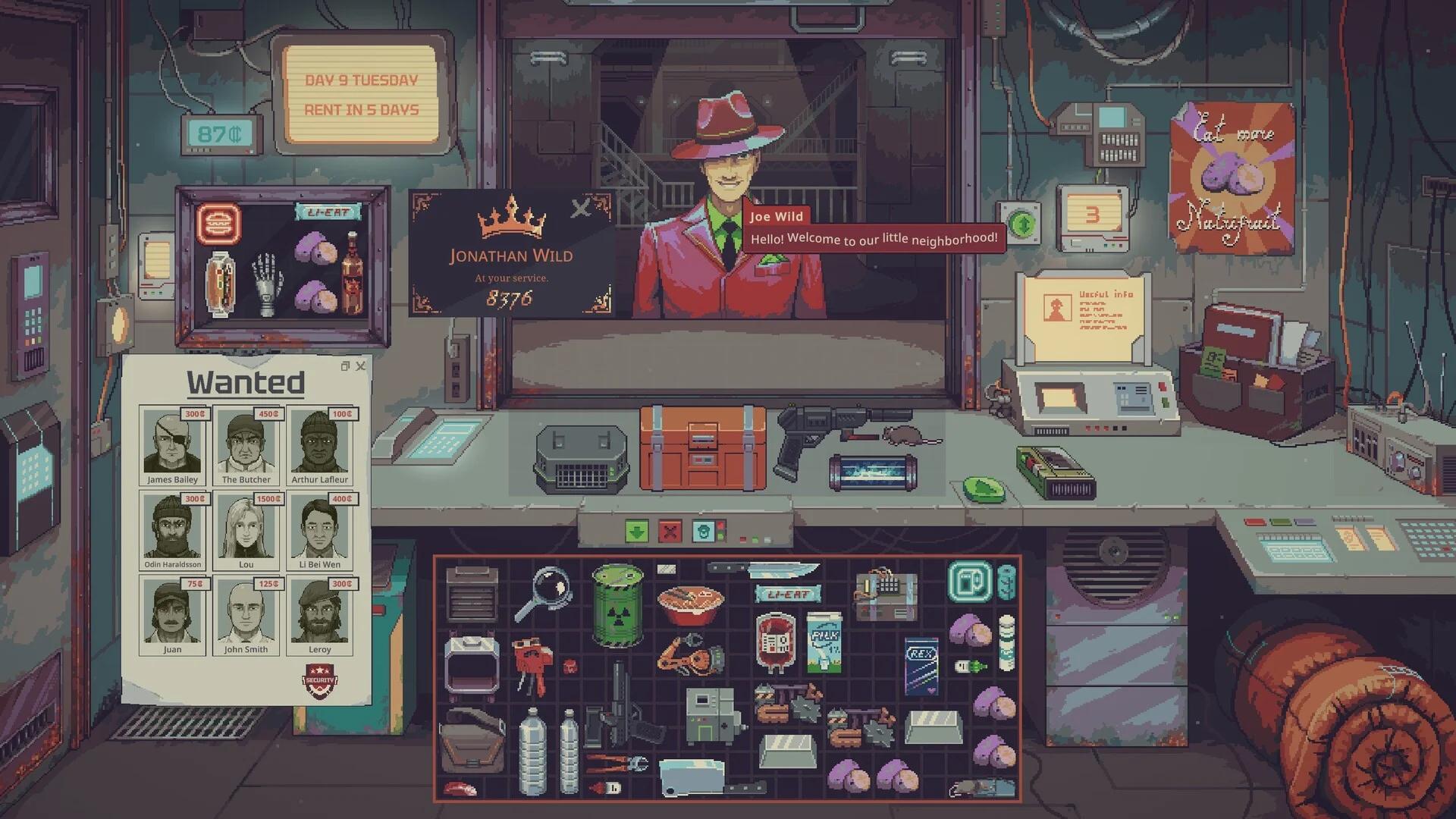
Officer Lund provides an alarm button and a predetermined wanted list. These encounters give you a more direct faction decision than an ordinary purchase: reporting a genuine wanted customer supports security, while allowing certain characters to leave can help another group.
Report accurately for security
Match the visitor to the wanted list before pressing the alarm. Read their dialogue and consider their faction ties before choosing the bounty.
Some wanted people are heroes to the lower levels. Reporting them can also cut off their stories, so the bounty is only one part of the decision. Prioritize accurate reports if security is your chosen relationship, but consider the consequences for the other people connected to that character.
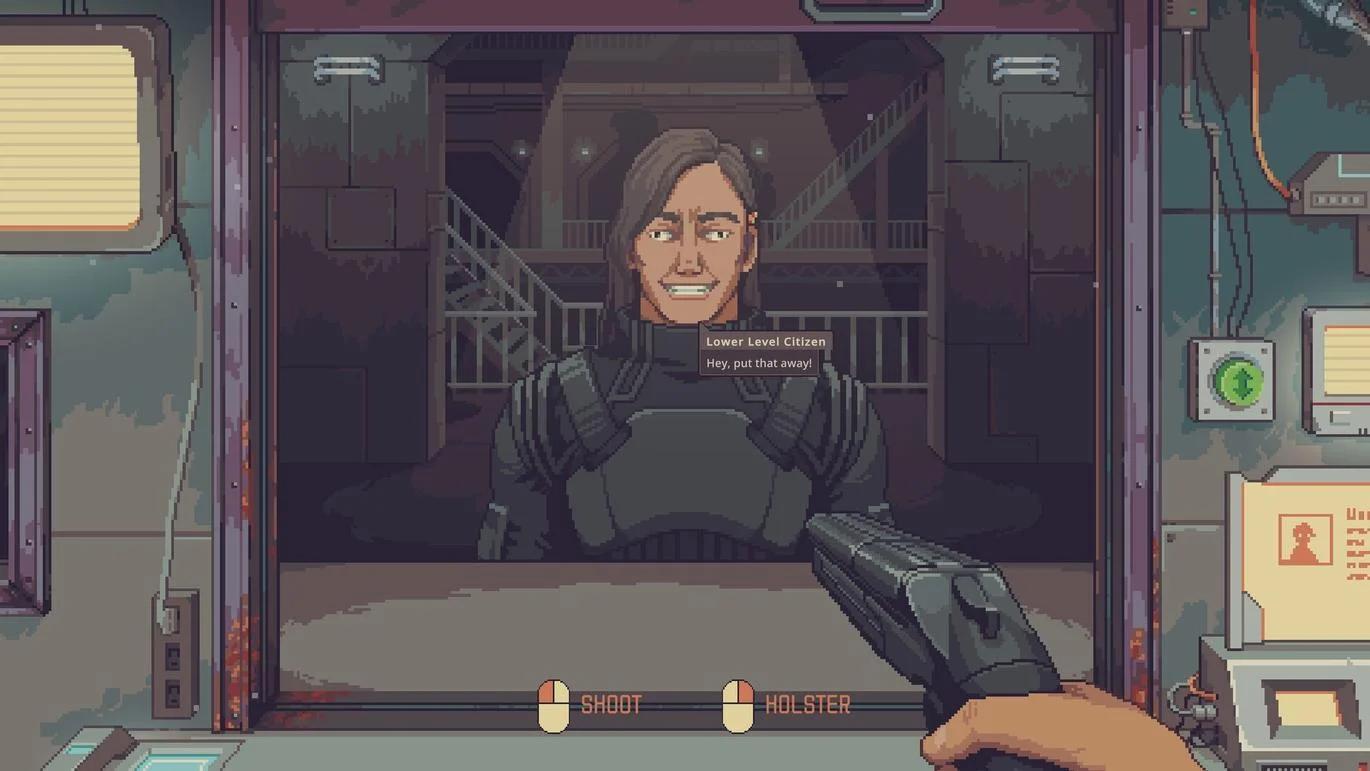
Security's wanted customer list
Let Arthur Lefevre leave for revolution standing
Allowing Arthur Lefevre to leave without reporting him can increase revolution reputation. This makes his visit a choice between taking the security bounty and supporting a different relationship.
Check all five bars after a named-customer encounter. Treat each person's situation separately instead of assuming that every unclaimed bounty produces the same faction response.
Prevent reputation losses during inspections and sales
Protecting existing standing is part of increasing it. False counterfeit accusations and failed scams can undo the gains from helpful trades.
Inspect before accusing a seller
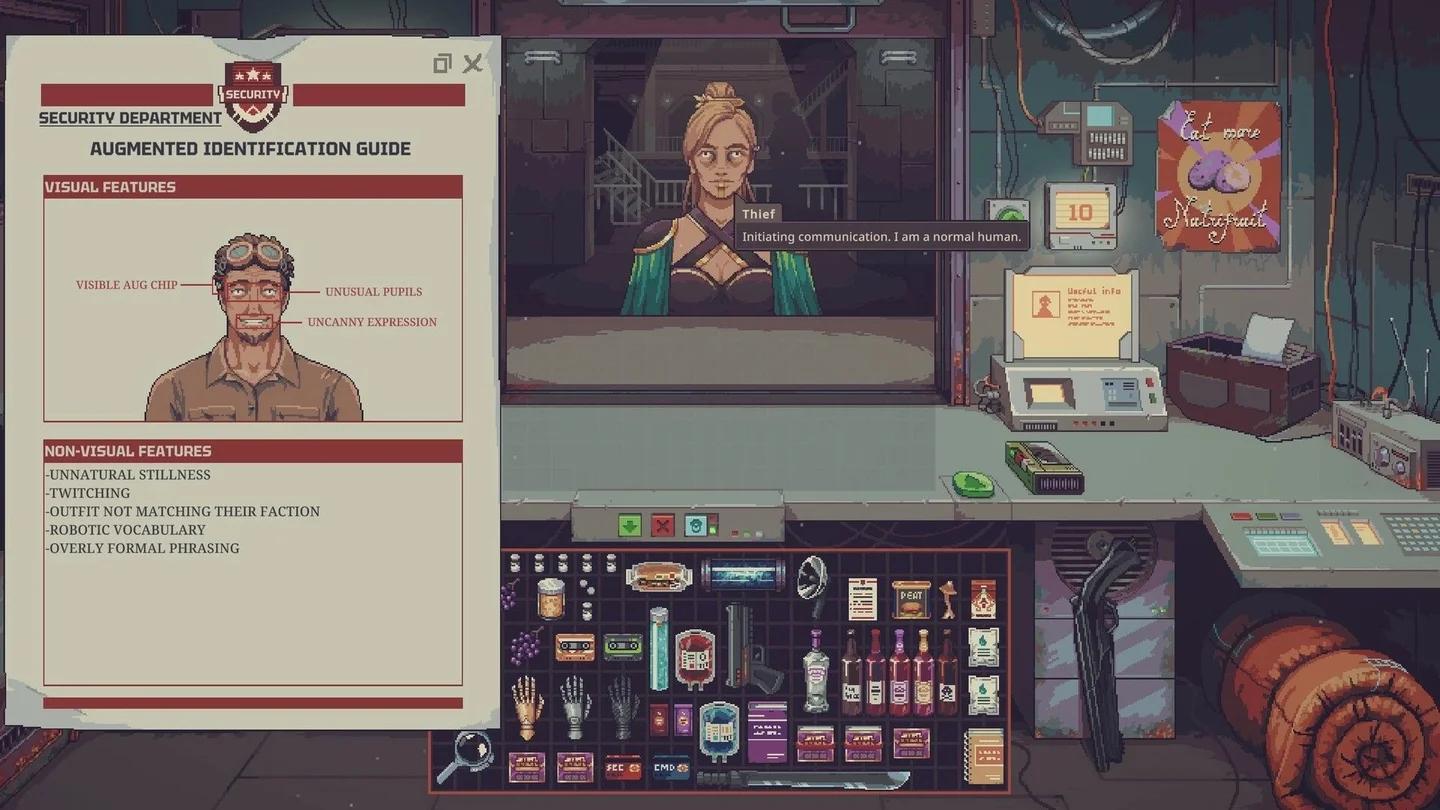
Use the magnifying glass, color checker, and identification guide to examine suspicious goods. Hemingway cigarette packs can have discrepancies such as the wrong logo, a broken seal, or incorrect colors.
A genuine discrepancy supports a counterfeit accusation and can make the seller lower the price. A false accusation costs reputation. Inspect first, then accuse only when you have found a real mismatch.
Cheaper purchases also give you more room to offer helpful prices later. An accurate inspection can therefore support your trading plan without requiring you to cheat the eventual buyer.
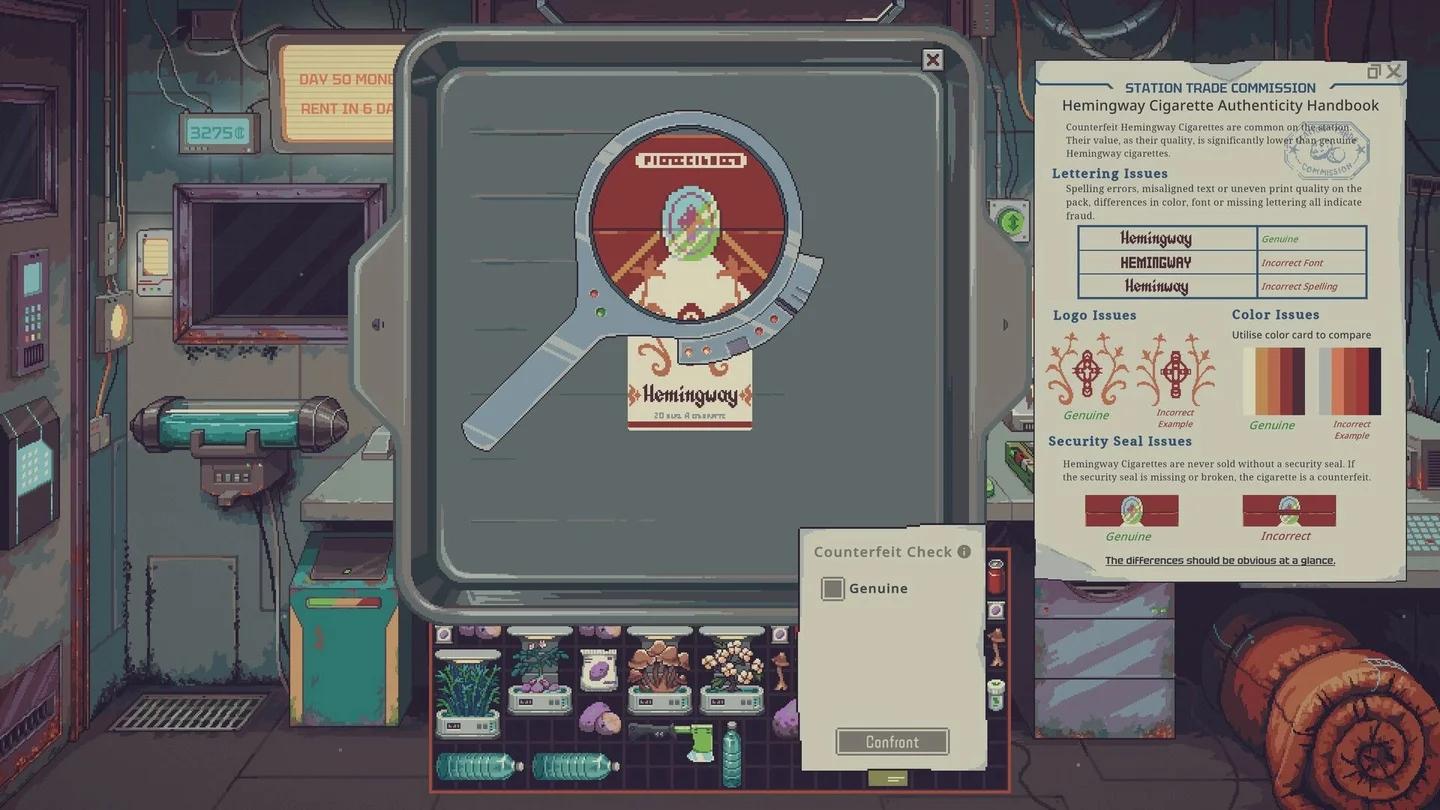
Hemingway cigarette packaging
Avoid relabeling scams against knowledgeable buyers
The labeler can make a counterfeit pack appear genuine and raise its asking price, but getting caught carries a reputation penalty. Workers, security officers, and lower-level citizens recognize common fraud.
Tourists and upper-level customers are generally less aware, but a higher sale price is a different goal from building trust. Avoid testing scams on the faction you are trying to befriend.
Keep counterfeit and flagged goods separate from clean stock. If a customer explicitly requests no contraband, fill that order with eligible items instead of mixing in whatever happens to be on the counter.
Attract customers your shop can serve
Your stock choices affect the opportunities you get to build relationships. A shop that advertises one category but mainly holds another will be harder to run consistently.
Set the display case before sleeping
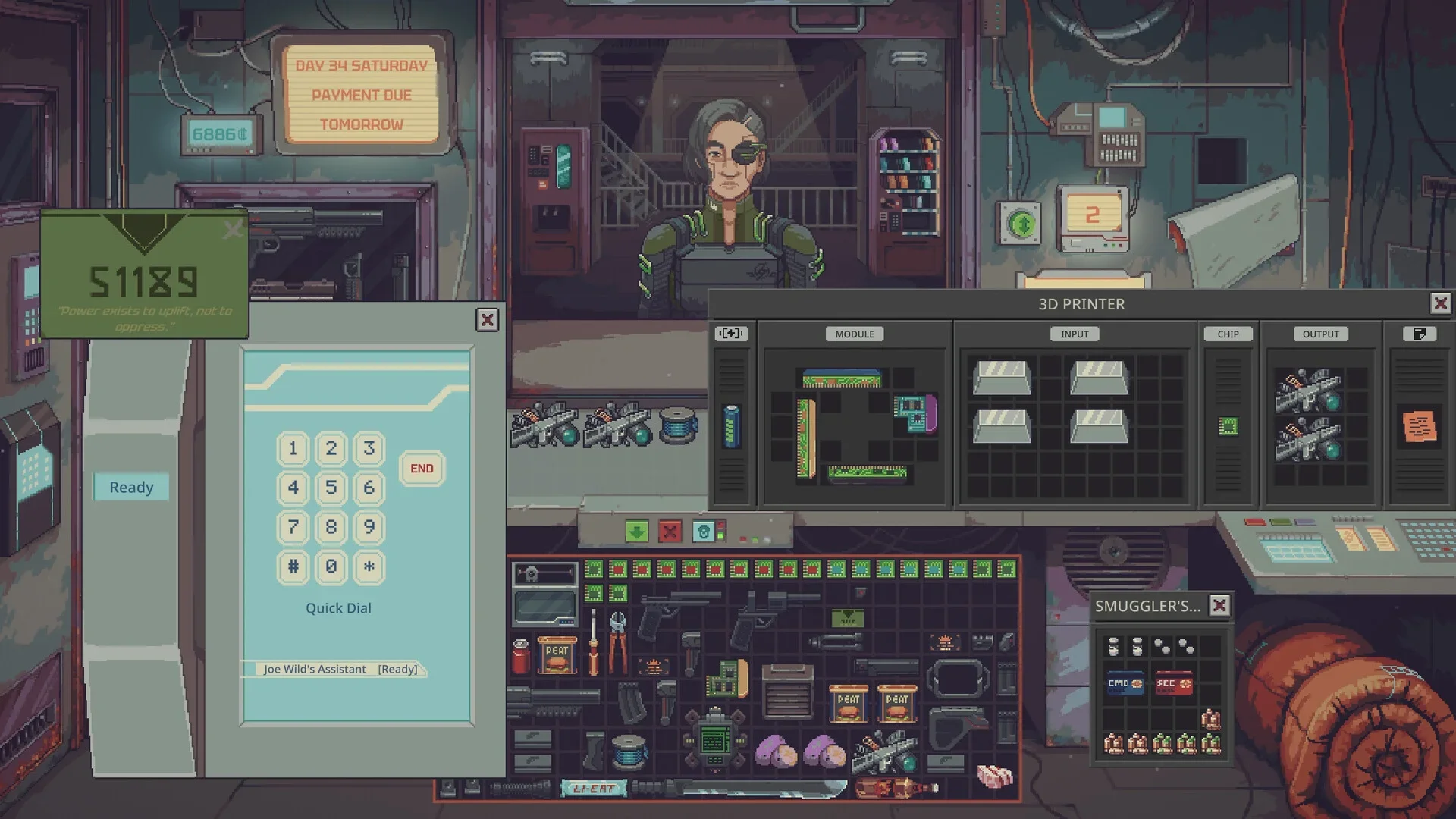
The display case advertises what you buy and sell, and its changes take effect at the start of the next day. Set it before sleeping if you want tomorrow's visitors to reflect a different stock focus.
Choose a clear specialty or a deliberate mix of categories. Avoid filling the case with unrelated goods while trying to develop a particular line of trade. Match the display to items you can actually keep in stock.
Revolution customers' interest in weapons, armor, and ammunition gives an equipment-focused shop a concrete audience to prepare for. Keep their requests in mind when choosing what to advertise and retain for sale.
Improve attractiveness without exhausting your cash
Shop attractiveness brings in more customers and increases their spending budgets. It creates more trading opportunities, but it is not a direct reputation award.
Keep improvements within your Probably Stolen shop economy budget. Your shop still needs replacement stock and enough cash for nightly fees after paying for upgrades.
After-hours scavenging also has an opportunity cost: you open late and miss the next day's first customer. Use those trips when the extra supplies justify losing a trading opportunity, rather than making them an automatic nightly habit.
Turn high standing into a sustainable shop
High reputation can provide practical benefits. Champion standing with the lower levels can bring discounts, warnings about upcoming events, and better contraband offers. Those rewards support both trading and preparation for difficult days.
The Diplomatic achievement requires maximum reputation with any faction. You can concentrate on one relationship for that goal without maximizing all five bars.
If you are working toward buying the store in Probably Stolen, use improved buying terms to preserve cash instead of treating friendship as permission to give stock away. Keep discounts affordable across several trading days.
Continue watching the factions you are not prioritizing. Hostile security can kill you, the lower levels can lynch you, and the revolution can send a hit squad. Build your chosen relationship without letting another faction become a threat to the run.