Overview
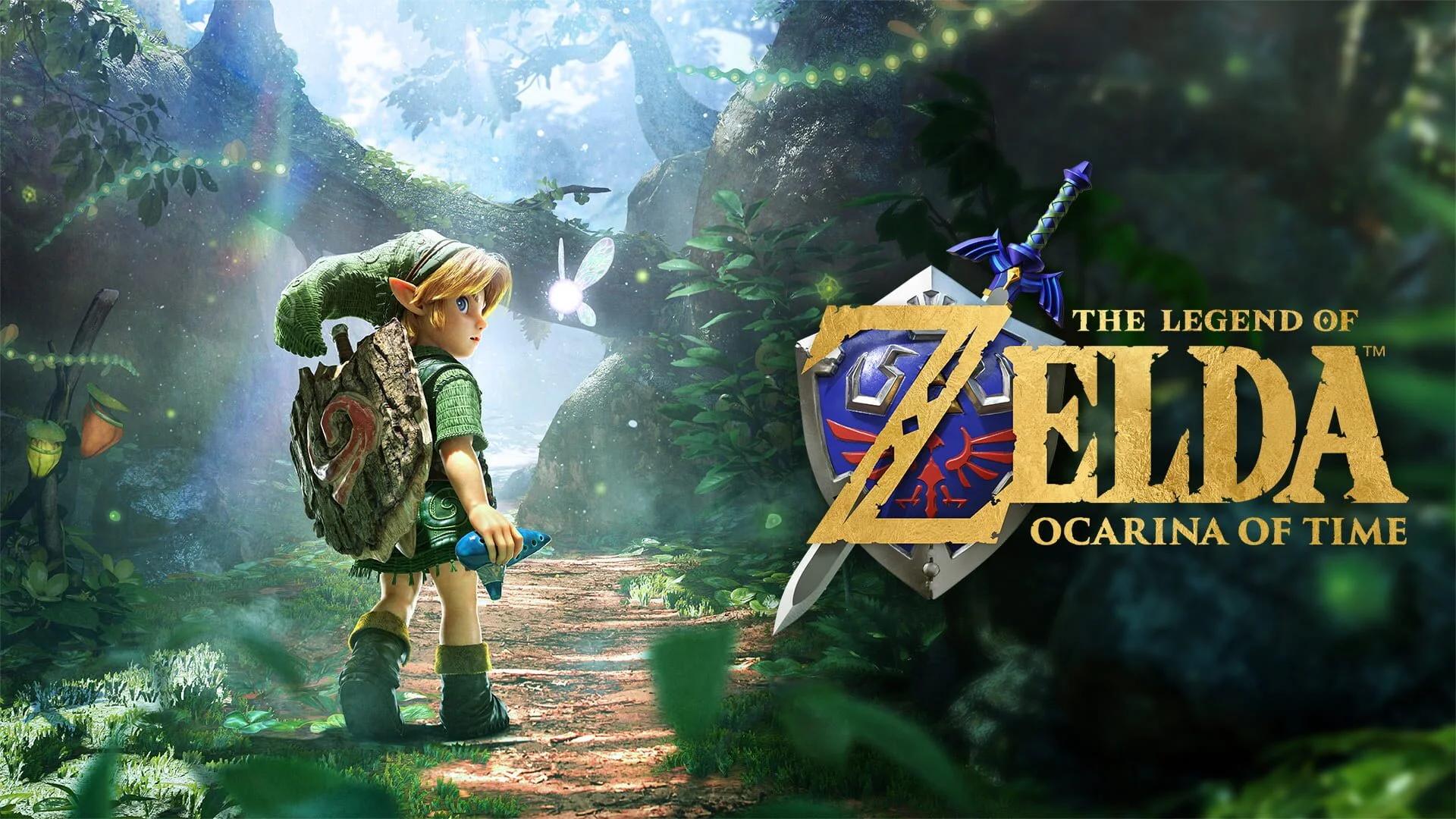
The Legend of Zelda: Ocarina of Time is a single-player action-adventure set in Hyrule, where Link’s journey connects settlements, dangerous outdoor routes, and enclosed dungeons. Ganondorf’s pursuit of the Triforce drives the central conflict, while progression depends on finding equipment, reaching new regions, and overcoming each dungeon’s obstacles.
Hyrule Field links major destinations, while story events and equipment determine which paths become accessible. Towns and villages provide conversations, shops, and side activities between dungeon visits. The adventure follows a structured progression, with new abilities opening routes through previously explored areas.
How do combat and dungeon puzzles work?
Combat uses target locking, sword attacks, shields, and equipped items. Dungeon puzzles test how those tools interact with enemies, switches, barriers, and the layout of individual rooms.
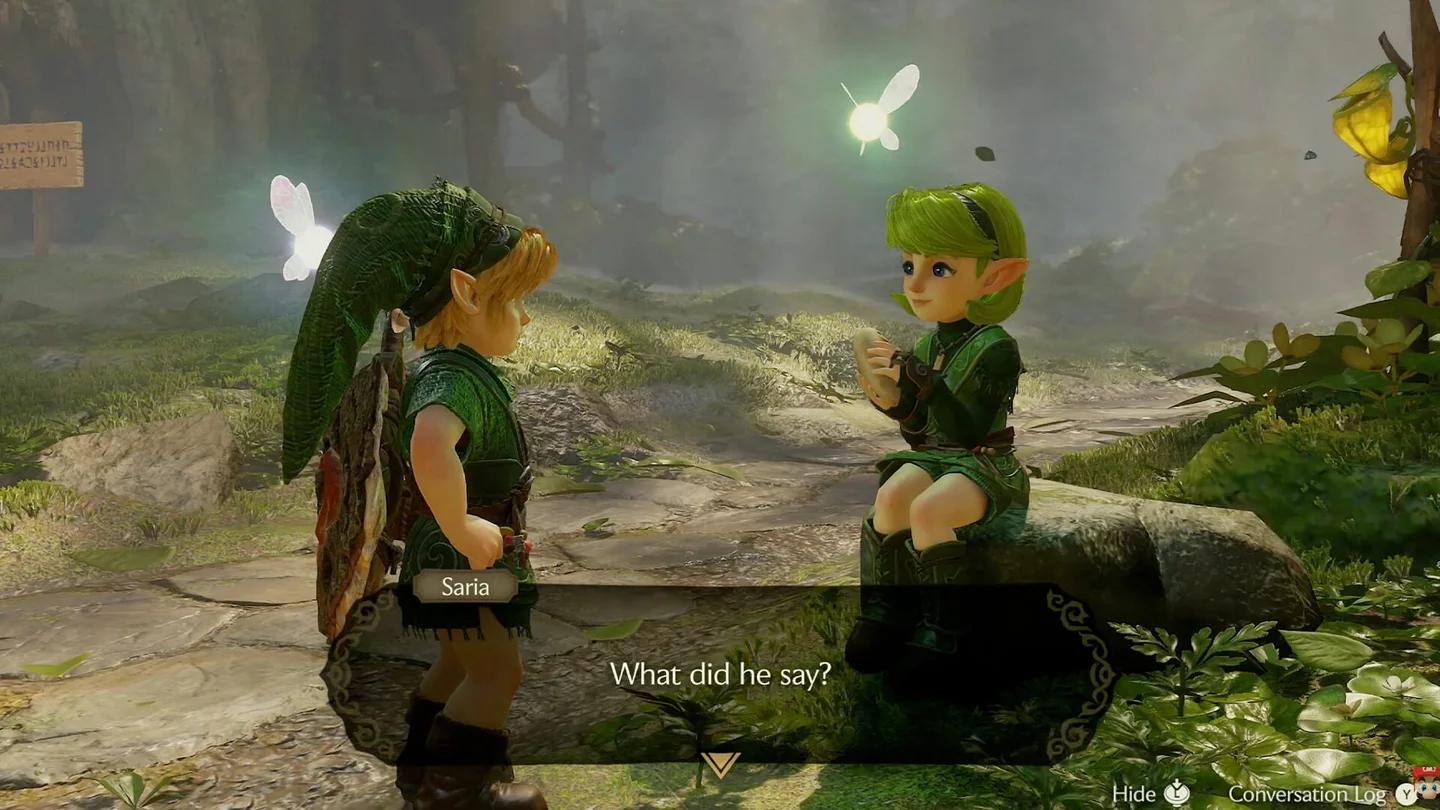
Locking onto an enemy keeps Link facing the threat during movement. Blocking and repositioning help create openings, while certain opponents require an item or a specific response before sword attacks become effective.
The main mechanics include:
- Target-locked sword combat
- Equipment-based dungeon puzzles
- Keys and boss keys
- Dungeon map navigation
The Slingshot and Fairy Bow hit distant targets, bombs destroy certain barriers, and the Hookshot pulls Link toward suitable anchors. Rooms often introduce a tool’s basic function before asking players to apply it across more demanding layouts or during a boss encounter.
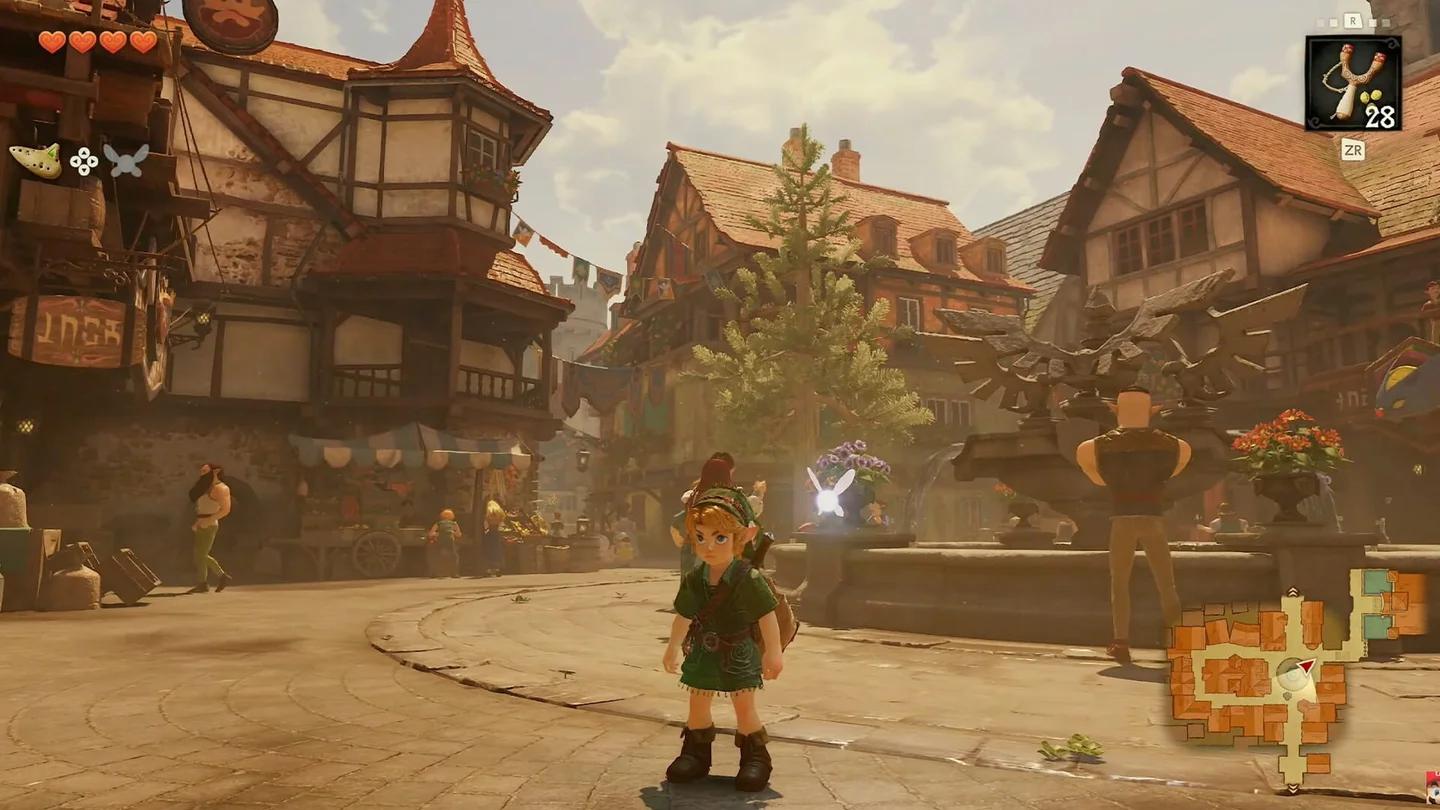
Hyrule across two ages
Link’s story spans childhood and adulthood, separated by seven years. Familiar locations change between these periods, and some obstacles require an action in the past before its effects become useful in the future.
Planting Magic Beans as a child creates rideable plants for adult Link. Equipment also differs between ages: young Link uses the Boomerang, while adult Link can wield the Master Sword. Returning to an earlier location can therefore involve a different route or a different set of tools.
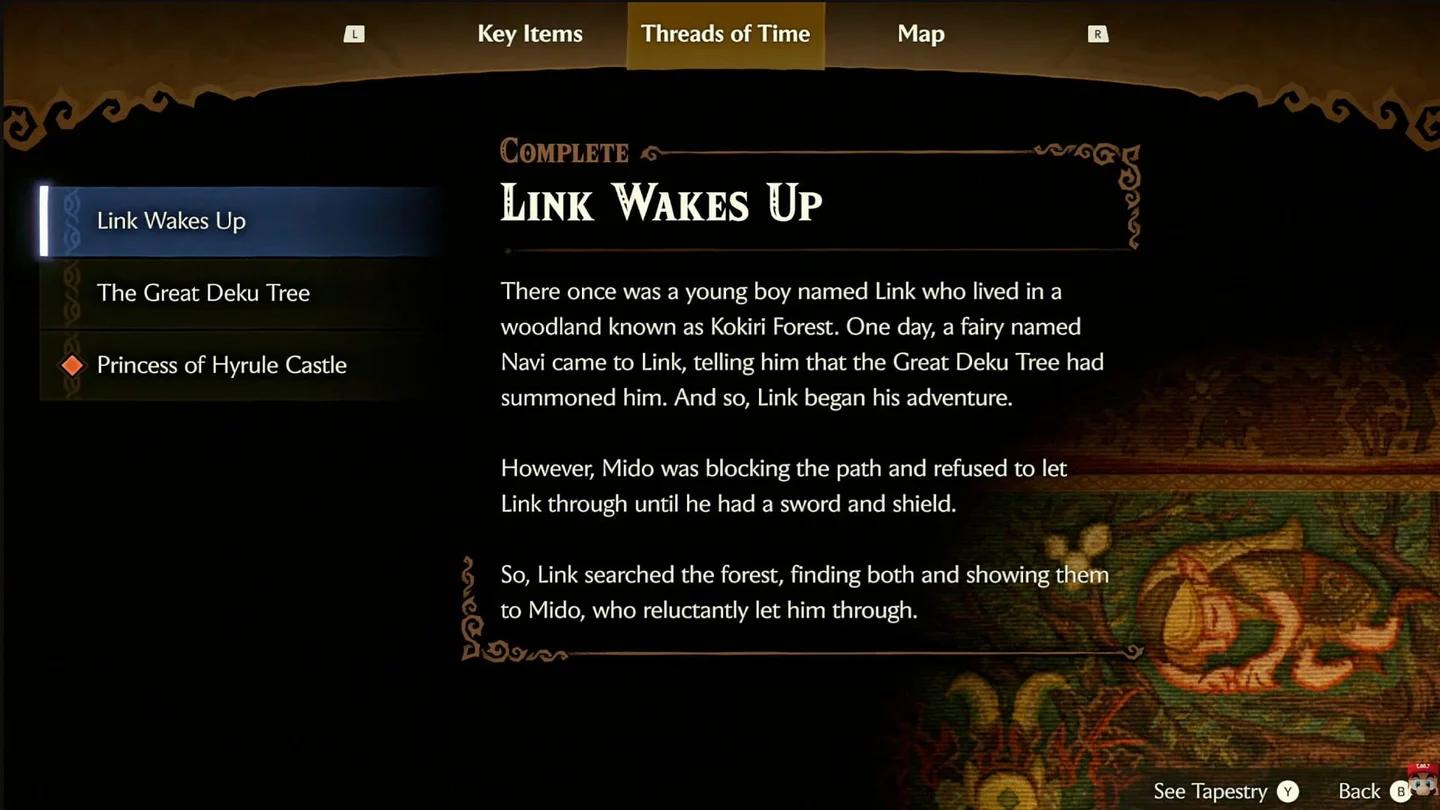
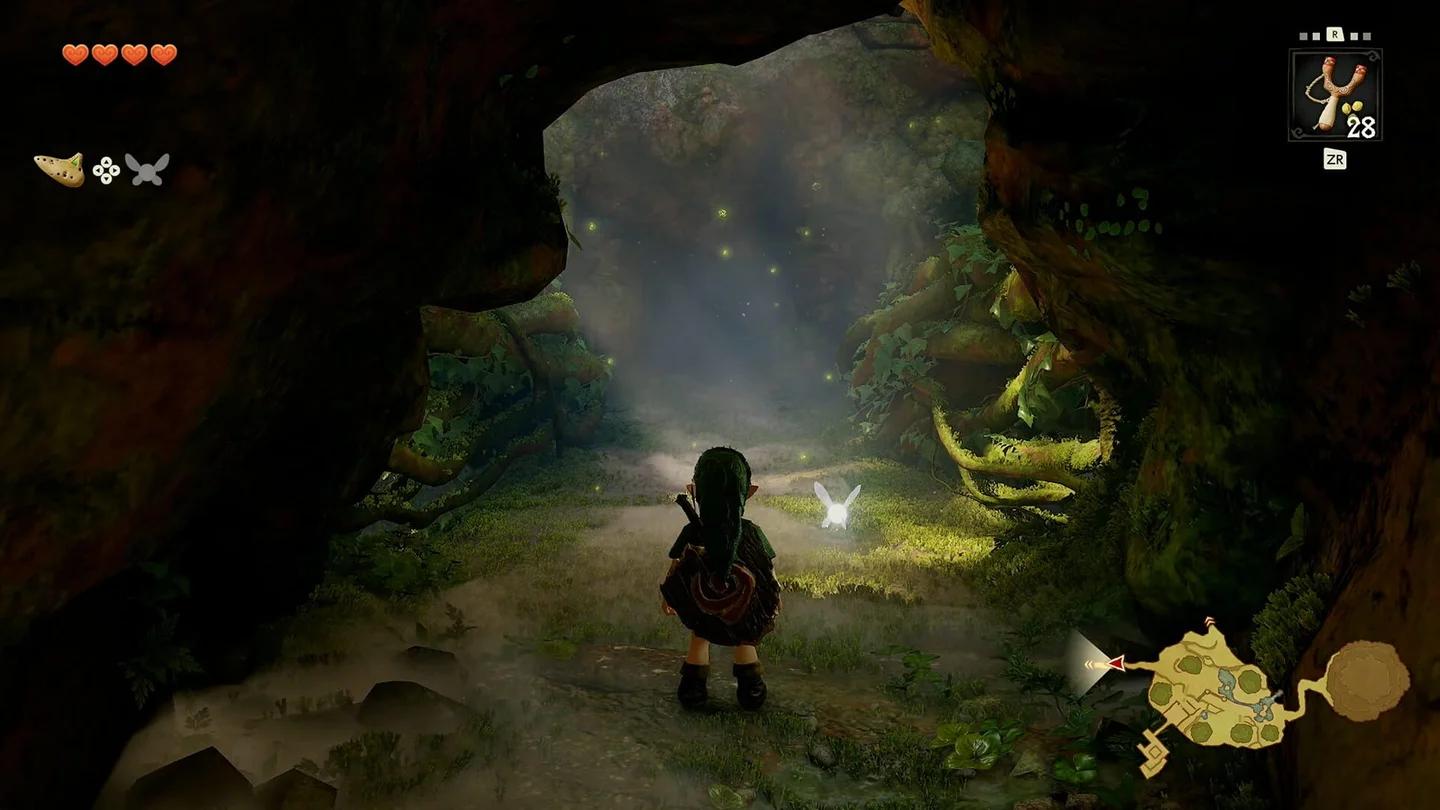
Hyrule’s regions have distinct communities and environmental challenges. Kokiri Forest establishes Link’s starting point, Death Mountain connects the adventure to the Gorons, and Zora’s Domain introduces the kingdom’s aquatic inhabitants. These settlements tie the larger conflict to characters and places encountered during exploration.
Ocarina songs and optional exploration
The ocarina functions as a playable tool, with melodies entered through sequences of notes. Songs can change the time of day, trigger specific environmental effects, and transport Link to temple destinations. Remembering where a melody applies becomes part of solving Hyrule’s puzzles.
Musical interactions also connect Link to other characters. Learning songs marks important encounters, while Epona’s Song supports his relationship with the horse. Epona provides mounted travel across Hyrule Field.
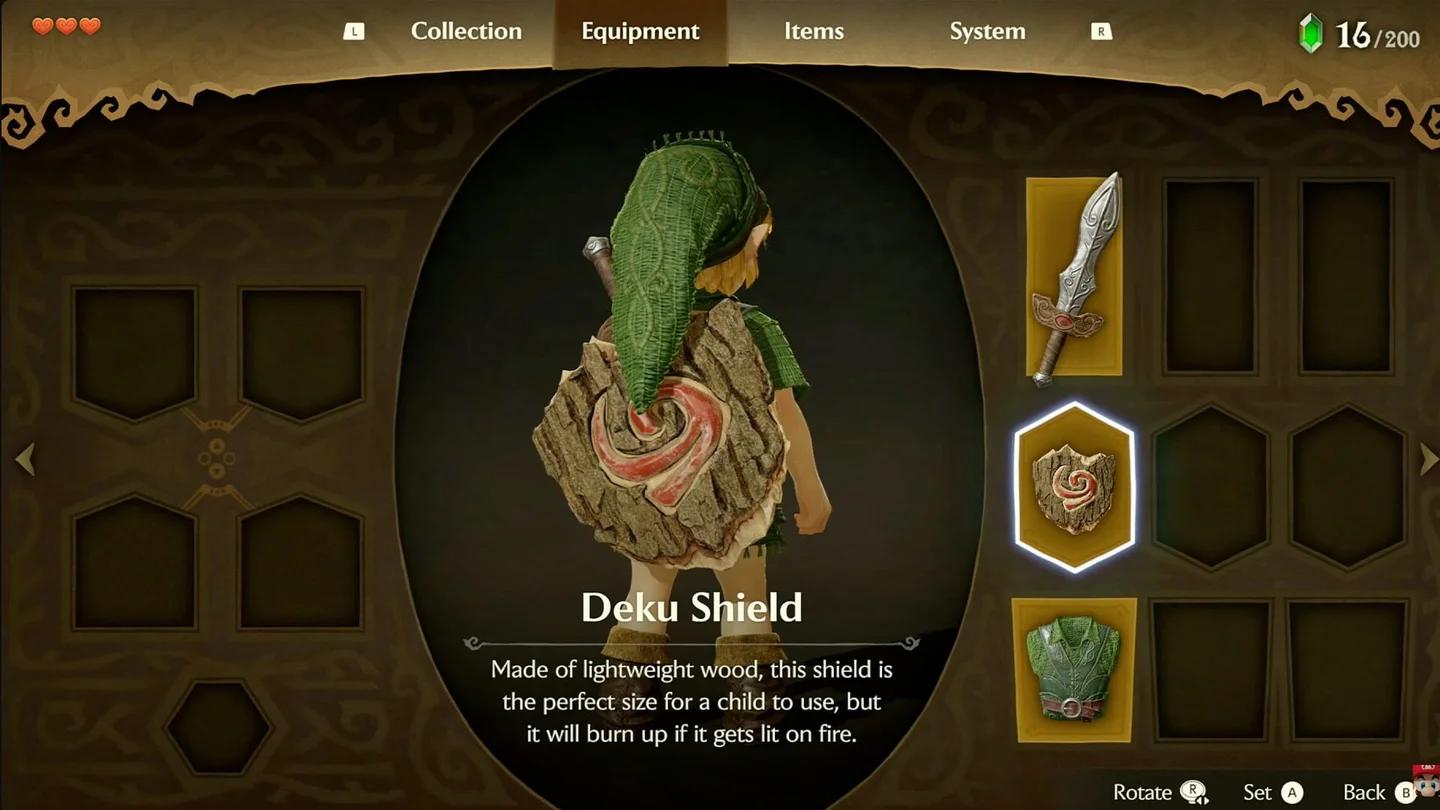
Optional activities include fishing, horseback archery, and searching for Gold Skulltulas. Their challenges use different skills from the main dungeon sequence, including timing, aiming, and close observation. Exploration also rewards Pieces of Heart; collecting four increases Link’s maximum health by one heart.