
From unforgettable stories to massive open worlds, these are the solo adventures every player should experience.
I have never believed that the best single-player games can be reduced to a single genre or a single kind of experience. Sometimes I want a world I can disappear into for months. Sometimes I want a focused story that can break my heart in an evening. The games that matter are the ones I keep recommending years later because a character, a mechanic, or one unforgettable moment still feels personal.
That is the idea behind this list. It is not a strict ranking, and it is not trying to pretend every game will suit every player. These are 40 solo adventures I genuinely think are worth experiencing, including personal favorites, easy recommendations for newcomers, and a few unusual games that only reveal why they are special once you give them a chance.
Here's my personal list of favorites
1. The Witcher 3: Wild Hunt
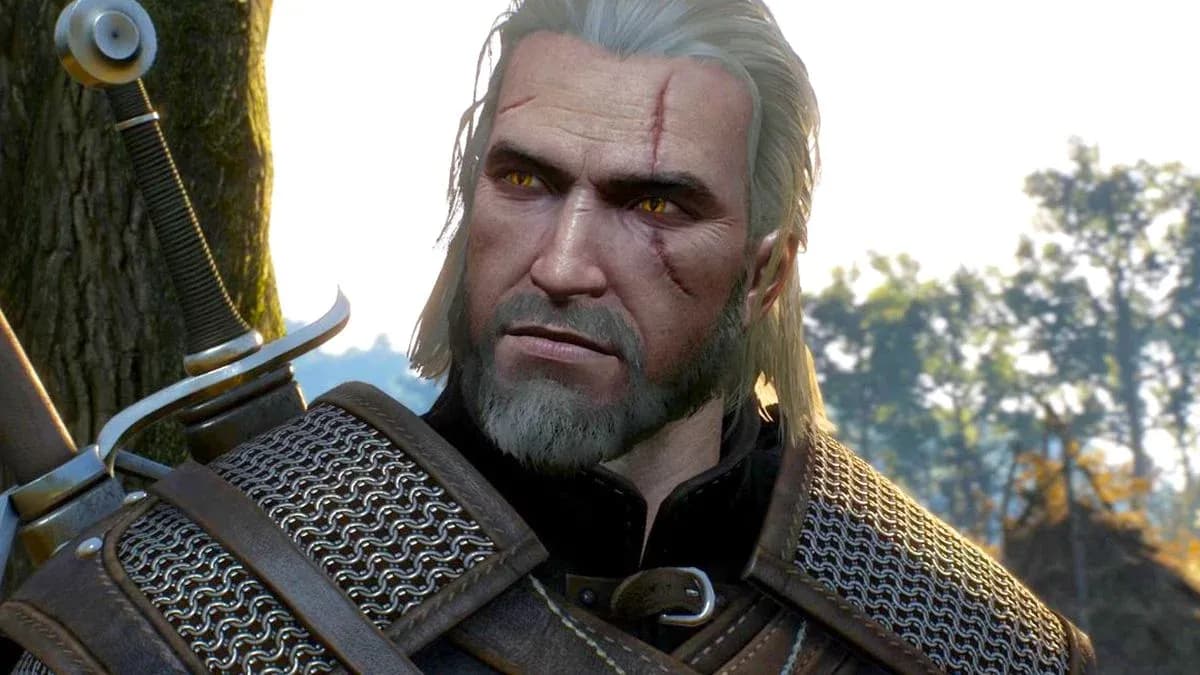
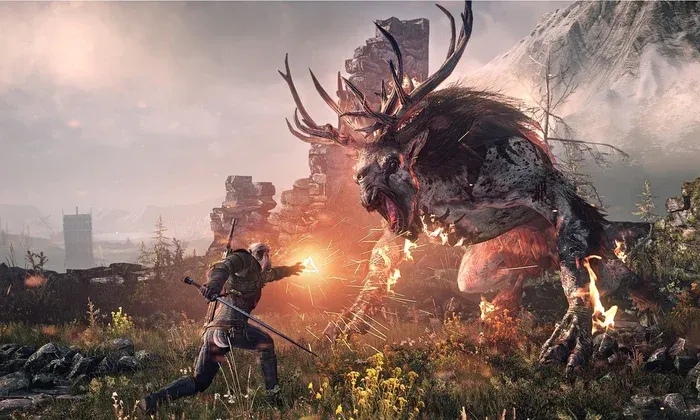
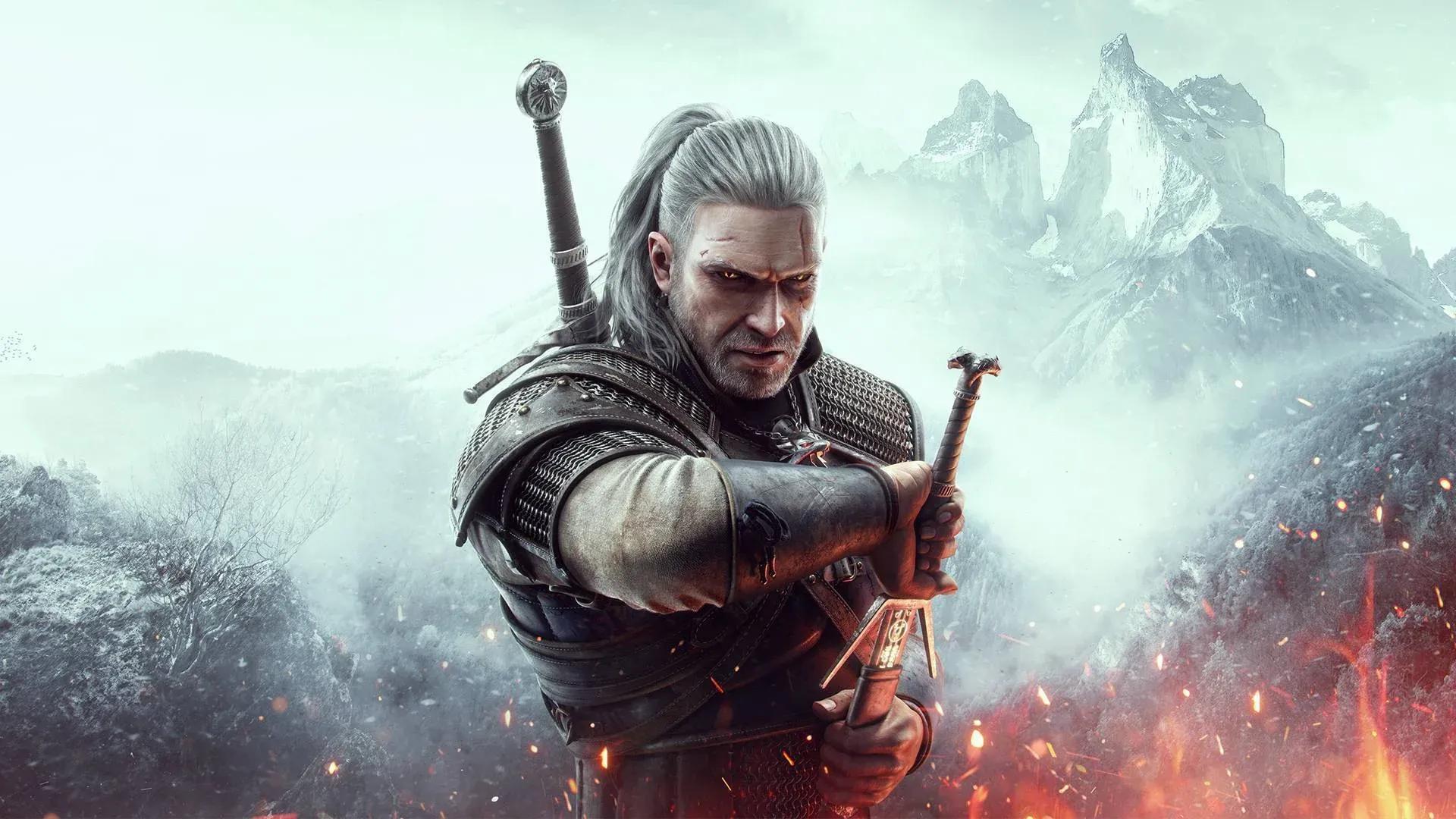
Few RPGs make their side stories feel as meaningful as the main quest, but The Witcher 3: Wild Hunt does it repeatedly. A routine monster contract can unfold into a haunting story about grief, desperation, or the consequences of an old decision. Geralt's journey across war-torn kingdoms is packed with difficult choices, memorable characters, and places that feel shaped by the people living in them. The opening takes its time, but players who settle into its rhythm will find one of gaming's richest fantasy adventures.
I will be honest: the opening can feel slow, and I almost think that is the point. Once the world opens up and a random contract becomes a story I cannot stop thinking about, the game clicks.
2. Marvel's Spider-Man
Marvel's Spider-Man captures the simple joy of being a superhero better than almost any licensed game. Swinging through New York is fast, fluid, and satisfying enough to make ordinary travel feel like part of the reward. Beneath that freedom is a personal story about an experienced Peter Parker trying to balance heroism, work, money, and relationships. The combat is accessible but stylish, the city is packed with familiar details, and the story understands that Spider-Man is most compelling when the person behind the mask matters just as much as the hero.
There were nights when I loaded the game with no mission in mind and spent the whole session swinging across Manhattan. That is how good the movement feels.
3. Silent Hill 2
Silent Hill 2 is psychological horror built around dread rather than constant jump scares. James Sunderland enters the fog-covered town after receiving a letter from his deceased wife, and the truth behind that invitation becomes more disturbing as the journey continues. Its monsters, environments, and puzzles reflect the characters' guilt and trauma, giving the horror a purpose beyond simple shock value. Whether experienced through the original or its modern remake, Silent Hill 2 remains essential for players who want a dark, emotionally unsettling story that lingers after the game ends.
What stays with me is how little the game needs to chase you. It lets the fog, the silence, and your own imagination do the work.
4. Uncharted 2: Among Thieves
Uncharted 2: Among Thieves plays like a blockbuster adventure without sacrificing player control. Nathan Drake climbs collapsing buildings, escapes impossible situations, and trades jokes with a cast that gives the spectacle real personality. The campaign moves quickly from one memorable location to the next, with very little downtime between its puzzles, firefights, and cinematic set pieces. Later action games have expanded on its formula, but few match its confident pacing. It is still one of the easiest recommendations for anyone who wants an exciting, straightforward adventure.
This is the game I recommend when someone simply wants to feel like the lead in a great action movie. It has almost no dead air.
5. Hades
Hades turns repeated failure into meaningful progress. Every escape attempt sends Zagreus through a changing Greek underworld, where fast combat and unpredictable upgrades encourage experimentation. When a run ends, returning home reveals new conversations, relationships, and pieces of the story, so defeat rarely feels like wasted time. Its weapons and god-granted abilities support dozens of effective builds, while generous difficulty options make the game approachable for newcomers. Hades is an ideal introduction to roguelikes because its narrative gives every attempt a purpose beyond reaching the final boss.
Hades is my easiest roguelike recommendation because dying never feels like the game has erased my evening. I return home, hear a new conversation, learn something about a character, and immediately want one more run.
6. Red Dead Redemption 2
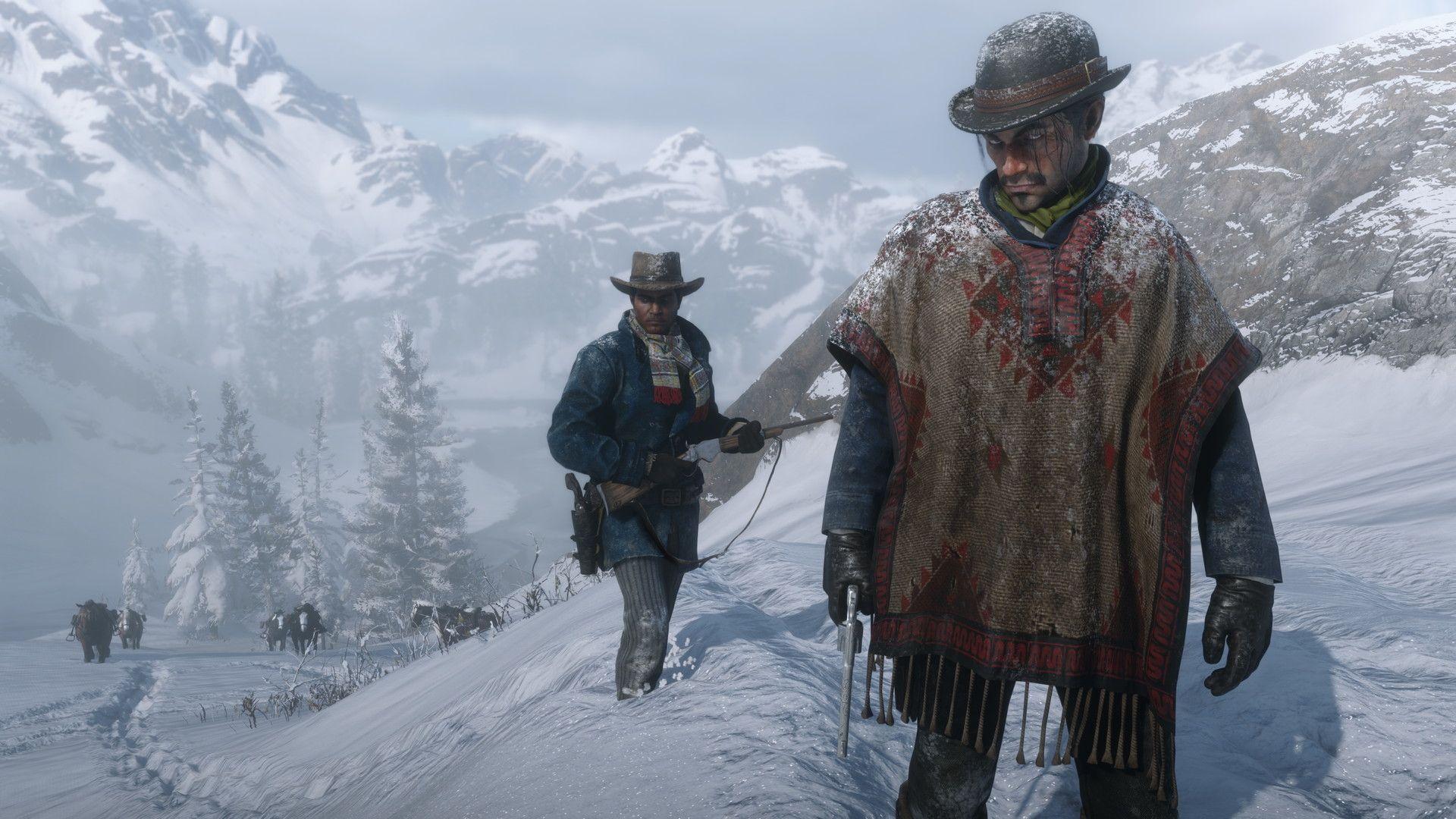
Red Dead Redemption 2 asks players to slow down and live inside its world. As outlaw Arthur Morgan, you travel with a gang struggling to survive as the American frontier disappears around them. Small routines such as caring for a horse, sharing campfire conversations, and riding between distant towns create a sense of place that few open-world games can match. The deliberate pace will not suit everyone, but it gives the characters and their relationships room to develop. For patient players, Arthur's story becomes one of gaming's most powerful character journeys.
The snowy opening tests some players, and I understand why. This is not a game built around constant action. Give it time, though, and the slow rides and camp conversations become the reason Arthur's journey hits so hard.
7. Detroit: Become Human
Detroit: Become Human is built for players who want choices with visible consequences. Its story follows three androids whose lives intersect as tension grows between humans and artificial beings. Decisions can alter relationships, close entire story branches, and determine which characters survive. After each chapter, a flowchart reveals the paths taken and hints at possibilities left unexplored, making a second playthrough especially tempting. The game's themes can be direct, but its willingness to let major events unfold differently gives it a level of narrative flexibility that few cinematic adventures attempt.
The moment Detroit won me over was comparing choices with friends and hearing about outcomes I did not even know were possible. Its branches are not just cosmetic dialogue changes.
8. God of War
God of War reinvents Kratos without erasing the violent history that shaped him. Now living in the Norse realm, he begins a difficult journey with his son Atreus and struggles to become the father he never learned how to be. The intimate perspective brings players closer to every fight and conversation, while the Leviathan Axe gives combat a satisfying sense of weight. Spectacular creatures and mythology still matter, but the heart of the game is the evolving relationship between father and son. It is both a bold continuation and an accessible new beginning.
This is my second-favorite God of War game, which is still enormous praise given how much the series means to me. I expected the new camera and quieter Kratos to feel like a rejection of the older games.
9. Disco Elysium
Disco Elysium replaces traditional RPG combat with conversation, investigation, and internal conflict. You play an amnesiac detective trying to solve a murder while different parts of his personality argue, advise, deceive, and occasionally humiliate him. Skills such as Logic, Empathy, and Electrochemistry behave like voices in his mind, opening unusual solutions and shaping the person he becomes. The game demands plenty of reading and offers little conventional action, but patient players will find exceptional writing, complex political ideas, and one of the most flexible role-playing systems ever designed.
I would not recommend Disco Elysium to someone looking for constant combat, but I would recommend it immediately to anyone who loves reading, strange characters, and choices that reveal who they are.
10. Elden Ring
Elden Ring drops players into a vast, dangerous world and trusts curiosity to guide the adventure. Distant castles, underground cities, and ruined towers are invitations rather than checklist markers, and exploration regularly leads to surprising discoveries. Its combat can be punishing, but the open structure gives players room to leave a difficult challenge, grow stronger, and return with a new strategy. Different weapons, spells, summons, and character builds support many approaches. For anyone curious about FromSoftware's style, Elden Ring is one of the studio's most welcoming entry points without losing its trademark challenge.
GAMES.GG may earn a commission from purchases made through the Humble Bundle link above.
If you have always been curious about Souls games but worried they would be too punishing, this is where I would start.
11. Batman: Arkham City
Batman: Arkham City delivers a remarkably complete version of the Batman fantasy. Players can glide across rooftops, stalk armed enemies from the shadows, investigate crime scenes, and dismantle groups of thugs through flowing hand-to-hand combat. The compact city is dense with secrets and recognizable villains, avoiding the empty space that can weaken larger open worlds. Kevin Conroy's Batman anchors a story filled with memorable confrontations, while the challenge rooms reward mastery long after the campaign. It remains a benchmark for superhero games and for action combat in general.
Arkham City is still my favorite Arkham game.
12. Undertale
Undertale looks simple, but it constantly questions the habits players bring from other RPGs. Every encounter can be resolved without killing an enemy, and the characters remember how they are treated. Humor, music, and inventive battle mechanics make the journey charming, while later moments can become unexpectedly emotional or unsettling. Its short length encourages multiple playthroughs, but the game also understands when players try to manipulate outcomes. Undertale is best experienced with as little advance knowledge as possible. Give its unusual style a chance, and it may completely change how you think about choice in games.
The less you know before starting Undertale, the better. I went in expecting a small retro RPG and came away thinking about how casually games train us to attack first.
13. Ghost of Tsushima

Ghost of Tsushima turns its open world into a sweeping samurai drama. Jin Sakai begins as a warrior devoted to tradition, but an overwhelming invasion forces him to choose between honorable methods and tactics that can save his home. Sword fights are precise and dramatic, while duels frame combat like scenes from a classic film. Instead of covering the screen with directions, the wind guides players toward their objectives. The beautiful landscapes draw attention, but Jin's gradual transformation gives the adventure its emotional weight and makes the journey worth finishing.
Ghost of Tsushima is one of my all-time favorites, and the beautiful island is only part of the reason.
14. Clair Obscur: Expedition 33
Clair Obscur: Expedition 33 begins with an irresistible mystery: once each year, a mysterious Paintress marks a number, and everyone of that age disappears. A new expedition sets out to end the cycle. Battles use turn-based commands alongside real-time dodges, parries, and carefully timed attacks, creating a system that feels strategic without becoming passive. Its surreal world, striking art direction, layered characters, and emotional story give the adventure a distinct identity. Even players who rarely choose turn-based RPGs may find its active combat and dramatic pacing surprisingly easy to embrace.
The premise hooked me immediately, but the combat is what made the recommendation easy. Parries, dodges, and timed attacks keep me involved even while I am making turn-based decisions.
15. BioShock
BioShock opens with one of gaming's most memorable discoveries: the underwater city of Rapture. Built as a refuge from government, religion, and social restraint, the city has collapsed under the weight of its own ideals. Exploring its ruined halls reveals the story through environments, recordings, and encounters with the people who remain. Combat combines firearms with genetic abilities that let players manipulate electricity, fire, security systems, and enemies. Its atmosphere, philosophical themes, and famous narrative turn make BioShock much more than a conventional first-person shooter.
BioShock is a personal favorite because Rapture never feels like a backdrop that exists only to hold enemies. Every flooded room and abandoned recording adds to the city's argument about freedom, power, and control.
16. Assassin's Creed II
Assassin's Creed II transformed a promising concept into a defining open-world adventure. Ezio Auditore begins as a reckless young noble and gradually becomes an assassin while uncovering a conspiracy across Renaissance Italy. Florence, Venice, and the surrounding regions create a beautiful setting for climbing, stealth, combat, and exploration. Ezio's charisma gives the story warmth, while improvements to progression and mission variety make the experience more inviting than its predecessor. It is an excellent starting point for players who want to understand why the series became a global favorite.
Ezio is still the character I picture first when someone mentions Assassin's Creed. Watching him grow from an impulsive young man into a capable assassin gives the entire adventure momentum.
17. What Remains of Edith Finch
What Remains of Edith Finch proves that a short game can leave a lasting impression. Edith returns to her unusual family home and explores stories about relatives who died under strange circumstances. Each chapter introduces a different visual style or interaction, turning family memories into imaginative playable scenes. There is no combat and very little challenge in the traditional sense, but the pacing never wastes a moment. The result is a thoughtful exploration of grief, memory, and the stories families tell about themselves. It is ideal for anyone seeking a focused narrative experience.
I finished Edith Finch in roughly the time some games spend teaching their basic systems, yet it left a bigger mark on me than many 50-hour adventures.
18. Mass Effect 2
Mass Effect 2 is built around assembling a team for a mission that may be impossible to survive. Commander Shepard recruits specialists from across the galaxy, then helps them confront personal conflicts that could affect the final operation. These loyalty stories turn the crew into people players genuinely care about, and decisions made throughout the campaign determine how the finale unfolds. Streamlined combat makes the action approachable, while conversations and relationships provide the emotional core. Few RPGs make preparation feel this important or make the consequences of leadership land with such force.
What I remember most is not the shooting or even the scale of the final mission; it is the crew. Loyalty missions made me care about people I initially recruited as useful specialists.
19. inFAMOUS
inFAMOUS gives players superpowers and then asks what kind of person they will become. After a disaster transforms Empire City, Cole MacGrath gains electrical abilities that grow more spectacular as the story progresses. Moral decisions push him toward heroic or destructive paths, changing his powers, reputation, and parts of the narrative. Grinding along power lines and climbing the city create a strong sense of movement, while the comic-book presentation gives the game a distinct personality. It remains a compelling superhero adventure for players who enjoy visible consequences and explosive powers.
I will never stop talking about inFAMOUS. It was one of the games that opened my eyes to branching stories and made moral choices feel visible through the city, Cole's powers, and the way people reacted to him.
20. The Last of Us
The Last of Us uses a devastated world to tell an intimate story about two people learning to depend on each other. Joel, a hardened survivor, is tasked with escorting Ellie across a country transformed by a fungal outbreak. Stealth, scarce resources, and brutal combat make every encounter dangerous, but the quiet conversations between those moments are what define the journey. Their relationship develops gradually and never settles for easy answers. The result is a tense, emotionally complicated adventure with an ending that continues to inspire debate.
The Last of Us is one of those games that created a clear before and after in how I thought about game stories.
21. Baldur's Gate 3
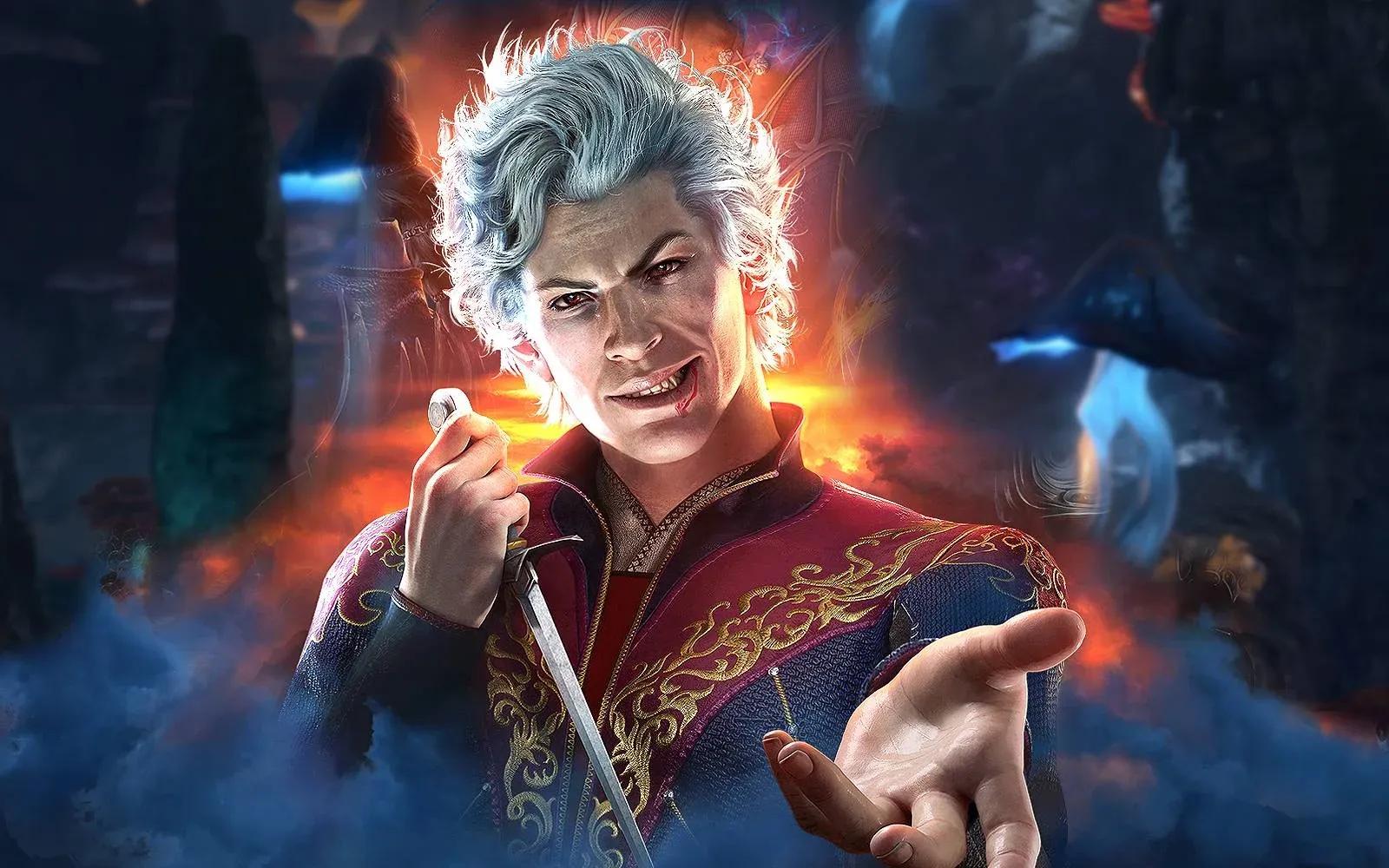
Baldur's Gate 3 turns player freedom into the foundation of its design. Problems can be solved through persuasion, stealth, magic, environmental tricks, direct combat, or ideas that sound too strange to work. The game frequently reacts anyway, carrying the consequences of those choices across a massive campaign. Turn-based battles reward creative use of positioning and abilities, while the companion characters bring humor, conflict, and romance to the journey. It is an outstanding choice for anyone who wants a role-playing game that treats experimentation as part of the story.
The best thing about Baldur's Gate 3 is how often it says yes to an idea that would be impossible in a more rigid RPG.
22. Shadow of the Colossus
Shadow of the Colossus strips the action-adventure formula down to its essentials. A young warrior and his horse cross a silent forbidden land in search of 16 enormous beings. Each colossus is both a boss battle and a living puzzle, requiring players to study its movement, climb its body, and find a vulnerable point. The empty landscape creates a lonely, dreamlike atmosphere, while every victory raises uncomfortable questions about the hero's mission. Its restraint is exactly what makes it powerful, and few games have matched its sense of scale or melancholy.
There are only 16 main enemies, long stretches of silence, and almost none of the busywork associated with modern open worlds. That simplicity is exactly why I love it.
23. Grand Theft Auto IV
Grand Theft Auto IV tells one of the series' most grounded stories. Niko Bellic arrives in Liberty City expecting the comfortable life described by his cousin, only to find debt, crime, and people eager to exploit him. The city remains a chaotic playground, but the heavier driving, grim atmosphere, and morally compromised characters create a different tone from the brighter games around it. Niko's past gives the familiar rise-through-the-underworld structure unusual weight. Players who value character and story as much as open-world freedom should not overlook it.
For me, GTA IV has the best story in the series. I enjoy the chaos as much as anyone, but Niko's disappointment with the life he was promised gives Liberty City a sadness the other games do not chase.
24. Astro Bot
Astro Bot is a joyful platformer that introduces new ideas faster than many games can repeat old ones. Each level builds around playful mechanics, hidden characters, and clever uses of the PlayStation controller. The movement is immediately accessible, but finding every secret gives experienced players plenty to do. Its colorful worlds and affectionate references celebrate PlayStation history without depending entirely on nostalgia. Most importantly, Astro Bot understands that variety is the heart of a great platformer. It keeps surprising the player and rarely allows a clever idea to overstay its welcome.
People sometimes think I am exaggerating when I call Astro Bot one of the great platformers, but I mean it. The game is overflowing with ideas and confident enough to discard each one before it becomes repetitive.
25. Hi-Fi Rush
Hi-Fi Rush combines stylish action with the energy of a rhythm game. The world, enemies, platforms, and visual effects all move with the music, while attacks become stronger when timed to the beat. Players do not need musical training because the environment constantly communicates the rhythm and the combat remains functional even when timing is imperfect. A bright comic-book look, energetic soundtrack, and likable group of rebels give the campaign plenty of personality. It is a refreshing choice for anyone who wants something colorful, funny, and mechanically different.
Hi-Fi Rush feels like pure joy turned into an action game. Even when my timing is imperfect, the world keeps encouraging me to find the beat instead of punishing me for missing it.
26. The Elder Scrolls V: Skyrim
Skyrim remains compelling because it is so easy to abandon the plan and follow a new curiosity. A trip toward the next objective can lead to a hidden cave, an unexpected quest, a strange artifact, or an entirely different character build. The central story provides direction, but the real appeal is creating a personal adventure across its mountains, towns, and ruins. Flexible skills let players mix weapons, magic, stealth, and crafting with very few restrictions. Its systems can show their age, yet few RPGs make wandering off course feel so rewarding.
My favorite Skyrim stories usually begin with admitting that I completely forgot the quest I was supposed to finish. A cave appeared, a stranger asked for help, or I decided my warrior should learn magic.
27. Far Cry 3
Far Cry 3 established the open-world formula that shaped much of the series. Its tropical islands support stealthy outpost attacks, unpredictable wildlife encounters, explosive gunfights, and experiments that can go wrong in entertaining ways. The story follows Jason Brody as a desperate rescue mission pulls him deeper into violence, but the unforgettable Vaas gives the campaign its most intense moments. Players can approach enemy strongholds from multiple directions and improvise when a plan collapses. It remains one of the strongest introductions to Far Cry's particular style of sandbox action.
Far Cry 3 is still my favorite entry in the series.
28. Sifu
Sifu is a demanding martial arts game about learning from every defeat. Each time the protagonist falls, a magical talisman brings them back at an older age. Repeated deaths eventually end the run, so progress depends on mastering rooms, reading enemy attacks, and using the environment instead of relying on button mashing. The combat feels precise, physical, and deeply rewarding once its rhythm becomes clear. Replaying earlier stages to finish at a younger age turns improvement into something players can see. Few action games make earned mastery feel this satisfying.
Sifu made improvement visible in a way I found incredibly satisfying. A room that destroyed me on my first attempt eventually became a sequence I could clear without taking a hit.
29. Ratchet & Clank: Rift Apart
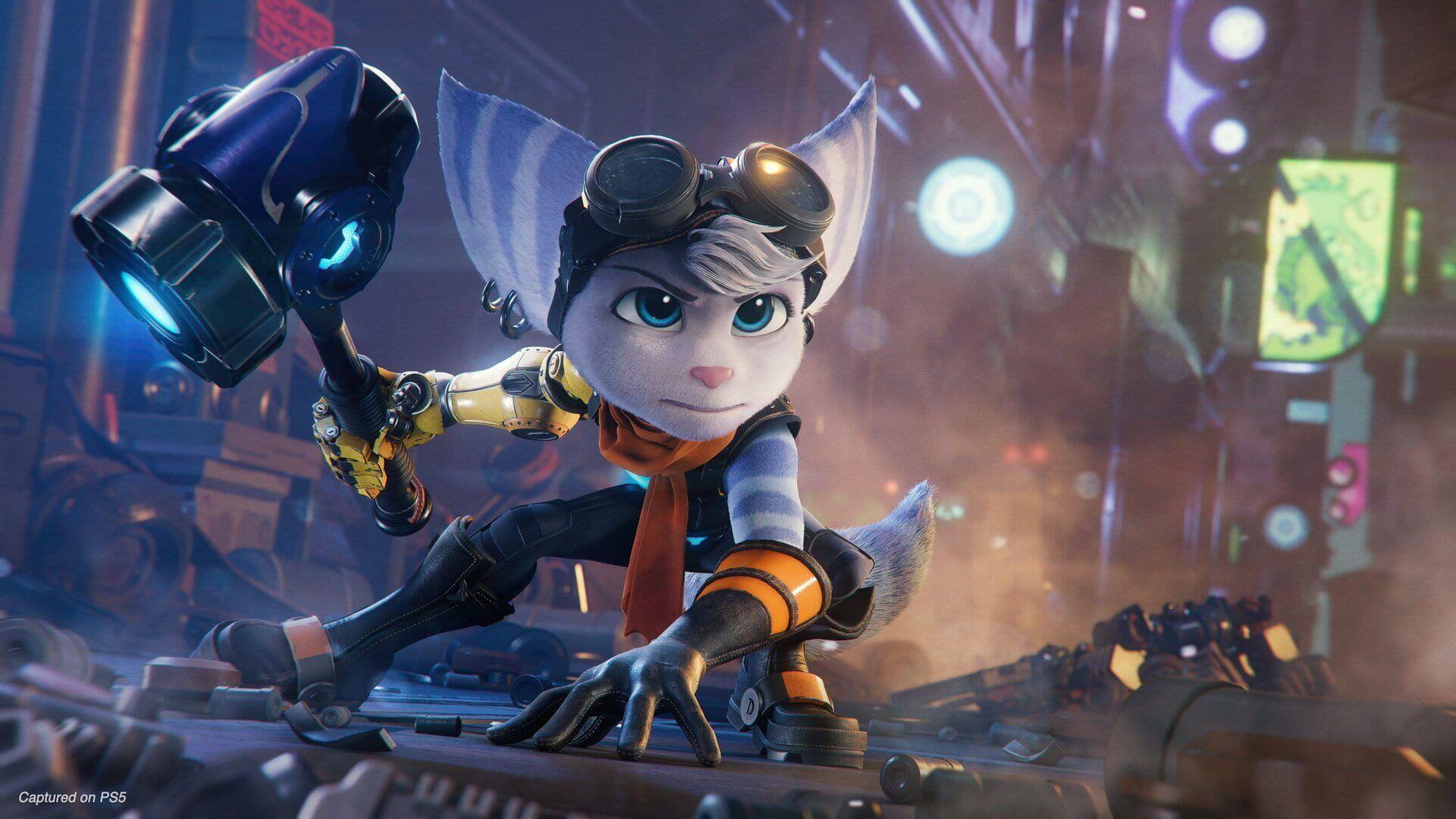
Ratchet & Clank: Rift Apart is a polished science-fiction adventure filled with inventive weapons and spectacular locations. Dimensional rifts can move characters between environments in an instant, creating chase scenes and battles that constantly shift around the player. Ratchet and Clank share the spotlight with Rivet and Kit, whose story gives the familiar series a fresh emotional angle. The combat remains approachable, but experimenting with the bizarre arsenal is always encouraged. It is a bright, fast-moving showcase that works for longtime fans and newcomers alike.
Ratchet & Clank is one of those series I trust to deliver comfortable, inventive fun, and Rift Apart earns that trust.
30. Uncharted 4: A Thief's End
Uncharted 4: A Thief's End gives Nathan Drake a farewell worthy of his adventures. Retired from treasure hunting and building a quieter life with Elena, Drake is pulled back into danger when his brother returns with an urgent problem. Larger environments create more freedom during exploration and combat, while the set pieces retain the series' cinematic excitement. What sets this entry apart is its willingness to examine the cost of Drake's obsession. It delivers spectacle, humor, and a surprisingly mature story about choosing the life that matters most.
Uncharted 4 feels like a goodbye made by people who genuinely understand why players love Nathan Drake. The action is spectacular, but the quieter scenes are what stayed with me.
31. Dispatch
Dispatch approaches the superhero genre from an unusual angle. Instead of spending every moment in costume, players manage a team of unpredictable heroes from the dispatch desk, assigning the right people to emergencies across the city. Workplace comedy, character relationships, management decisions, and branching narrative choices all feed into one another. The premise makes room for both absurd situations and more serious questions about identity, failure, and second chances. It is a strong pick for players who enjoy choice-driven stories and want a superhero game focused on people rather than constant combat.
Dispatch became one of my favorite choice-driven games because its decisions grow naturally out of relationships and workplace pressure rather than announcing themselves as morality tests.
32. God of War III
God of War III captures Kratos at his most furious and destructive. The campaign begins on the back of a Titan climbing Mount Olympus and continues through a series of enormous confrontations with figures from Greek mythology. Its fixed camera and fast hack-and-slash combat give battles a very different rhythm from the later Norse games, while the scale remains spectacular. The violence is deliberately excessive, but it serves as the climax to Kratos' original campaign of revenge. Players who want to understand the character's past should experience this brutal conclusion.
God of War III is my favorite game of all time. I know the later games are more reflective, but nothing matches the sheer momentum of Kratos tearing his way through Olympus.
33. L.A. Noire
L.A. Noire places players inside the careful work of a detective story. As Cole Phelps, you search crime scenes, collect evidence, question witnesses, and decide when a suspect's account does not fit the facts. Detailed facial performances help communicate hesitation and deception, although successful interrogation still depends on understanding the available evidence. Its recreation of 1947 Los Angeles gives each case a strong sense of time and place. The slow pace and flawed protagonist make it unusual, but that difference is exactly why the game remains worth investigating.
I still cannot believe more games have not built on L.A. Noire's detective formula. Searching a room, noticing the detail that breaks a story, and deciding when to challenge a witness creates a kind of tension gunfights cannot replace.
34. Horizon Zero Dawn
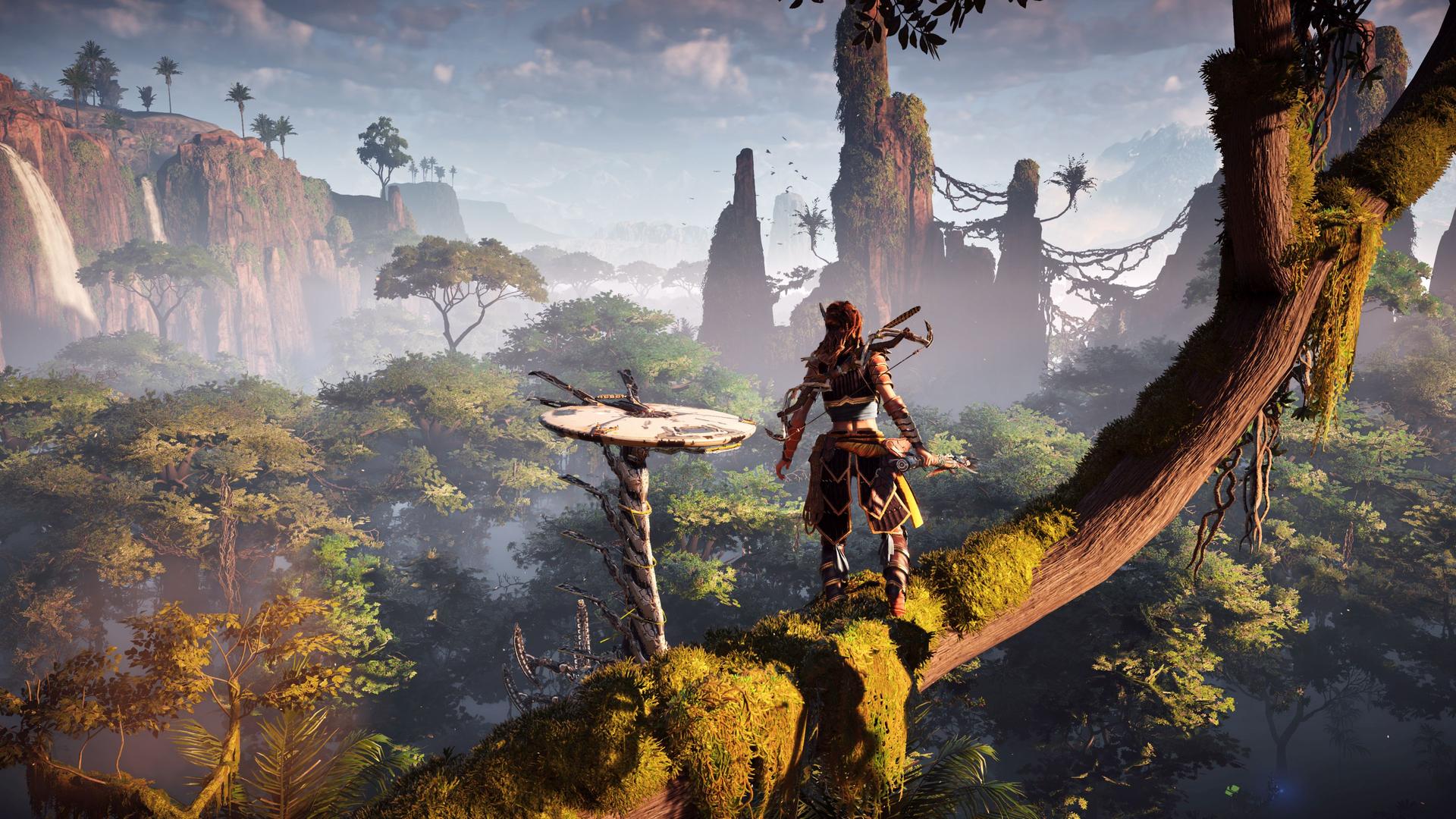
Horizon Zero Dawn introduces a striking world where human tribes survive among animal-like machines. Aloy, an outcast seeking answers about her origins, learns to study these creatures, target individual components, set traps, and turn their weapons against them. The combat rewards preparation and precision, especially when facing the largest machines. Beneath the beautiful landscapes is a compelling mystery about the civilization that came before and the events that reshaped the planet. Its combination of archery, technology, exploration, and discovery gives the open-world formula a memorable identity.
Horizon Zero Dawn felt like one of the defining new worlds of its era. Robot dinosaurs are a fantastic hook, but the mystery of how this future came to exist is what kept me moving forward.
35. Assassin's Creed Revelations
Assassin's Creed Revelations brings Ezio Auditore's long journey to a thoughtful close. Now older and more reflective, Ezio travels to Constantinople in search of knowledge left behind by Altair. The game connects two generations of assassins while exploring what a lifetime of conflict has cost them. Familiar parkour, stealth, and combat systems return with useful additions, but the emotional payoff is the main reason to play. Revelations works best after Assassin's Creed II and Brotherhood, turning the trilogy into one of gaming's most satisfying extended character arcs.
Revelations is not the biggest Assassin's Creed, but it is the conclusion I wanted for Ezio. Seeing him reflect on Altair and on the life he has given to the Brotherhood adds maturity to the familiar formula.
36. Death Stranding
Death Stranding makes the journey itself the central challenge. Sam Porter Bridges carries vital cargo across a fractured landscape, and every slope, river, storm, and overloaded backpack can affect the route. Careful planning gradually turns intimidating terrain into a network of paths and shared structures built with help from other players. The story is strange, emotional, and unmistakably Hideo Kojima, with dense explanations and unusual characters. Its deliberate pace will divide audiences, but players who connect with its themes of isolation and cooperation may find an experience unlike anything else.
Death Stranding is one of the strangest and most relaxing games I have played.
37. Dishonored
Dishonored gives players a set of supernatural tools and a city designed to reward creativity. Framed for murder, royal bodyguard Corvo Attano hunts the people responsible while navigating plague-ridden Dunwall. Targets can be eliminated, avoided, or dealt with through nonlethal alternatives. Powers such as Blink open routes across rooftops and through guarded spaces, while gadgets support stealth or direct violence. The world changes in response to how much chaos the player creates. That flexibility makes every mission feel like a sandbox and gives repeat playthroughs a genuine purpose.
The best Dishonored moments are the ones the game never explicitly scripts. I might spend ten minutes planning a silent route, notice an open window, combine two powers, and solve the entire problem differently.
38. Portal 2
Portal 2 builds brilliant puzzles around a simple tool: a gun that creates two connected doorways. New surfaces, gels, lasers, and environmental hazards expand that idea without making the rules difficult to understand. The puzzles are satisfying on their own, but the sharp writing and exceptional performances turn the journey through Aperture Science into one of gaming's funniest stories. Every chapter introduces a fresh mechanical or narrative surprise before the previous one grows stale. A separate cooperative campaign adds even more inventive challenges once the single-player story is complete.
Portal 2 is one of the rare puzzle games I can recommend even to someone who normally avoids puzzle games. The writing keeps every stretch entertaining, and the solutions make me feel clever without becoming impossible to read.
39. Cyberpunk 2077
Cyberpunk 2077 invites players to build a mercenary and find their own path through Night City. V can rely on firearms, blades, stealth, hacking, conversation, or combinations that completely change how missions unfold. The neon skyline is impressive, but the smaller stories found in apartments, clubs, alleys, and personal quests give the city its character. Companions have their own ambitions and problems, while major choices lead toward different endings. The game rewards players who explore beyond the main story and take time to understand the people living beneath the spectacle.
Night City is at its best when I stop following the main objective and spend time with the people hidden beneath the neon. The smaller quests are where the place starts feeling human.
40. The Legend of Zelda: Breath of the Wild
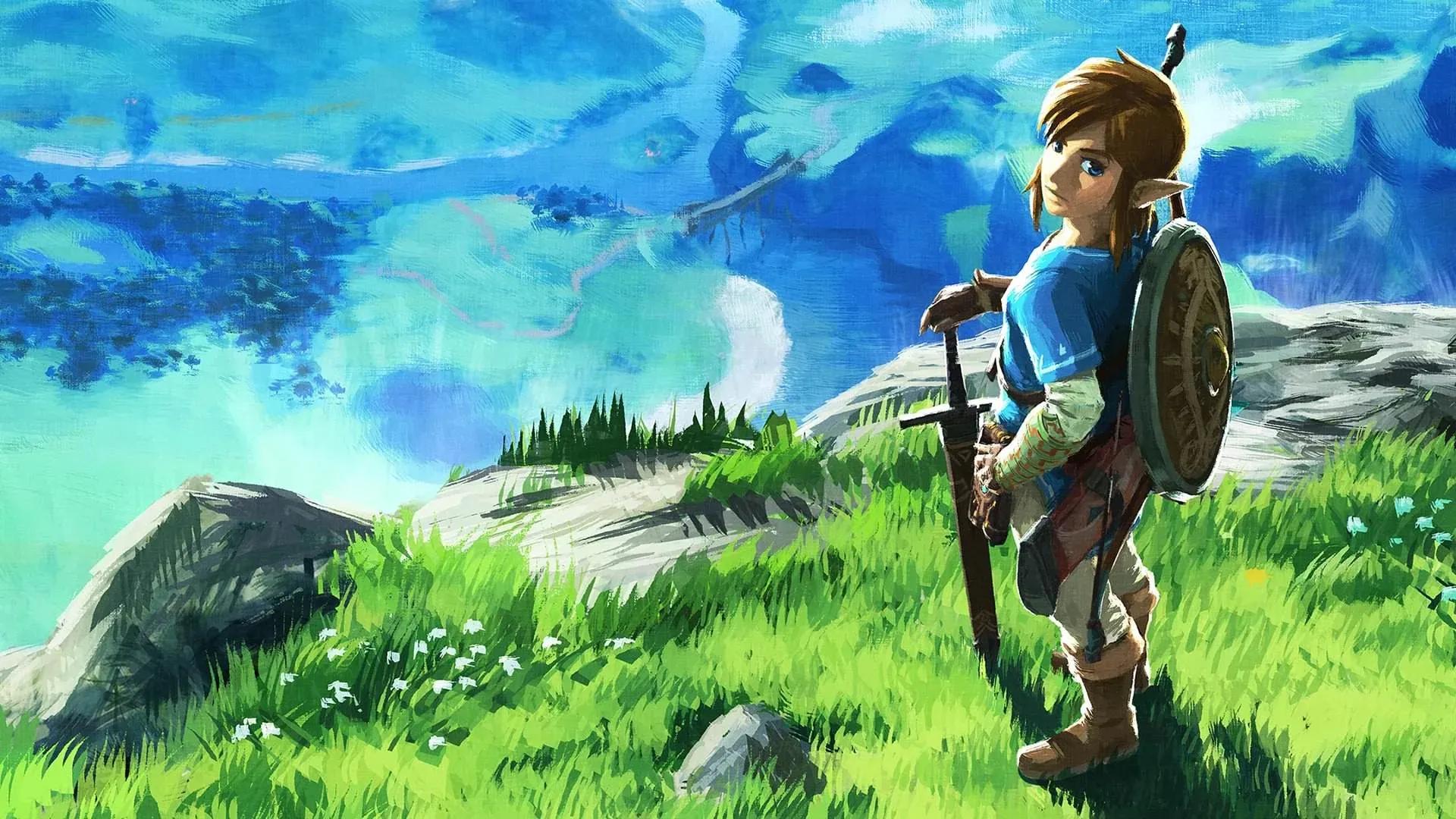
The Legend of Zelda: Breath of the Wild gives players a destination, a set of flexible tools, and the freedom to discover everything else for themselves. Mountains can be climbed, storms affect the environment, and physics often allow several solutions to the same problem. The world encourages experimentation rather than dependence on quest markers, making even a failed idea part of the fun. Players can head toward the final confrontation surprisingly early or spend dozens of hours exploring shrines and hidden corners. That trust in the player's curiosity makes the adventure timeless.
Breath of the Wild trusts the player more than almost any open-world game I have played. It gives me tools, lets me form a questionable plan, and accepts whatever happens next.
Find Your Next Single-Player Adventure
A great single-player game does not need to be 100 hours long, relentlessly difficult, or built around a cinematic story. It only needs to commit to its own idea strongly enough for the experience to become yours. Every game here gave me a reason to remember it, whether that was a character I missed, a fight I finally mastered, or a world I did not want to leave. If one has been sitting untouched in your backlog, consider this the push to finally start it.
And as always, if you're looking for the next adventure, make sure you check out these games and many others in our adventures genre.